Character
A long pilgrim route following the historic path of Archbishop Sigeric. Most pilgrims start at the Grand Saint Bernard or Vercelli and walk the Italian section.
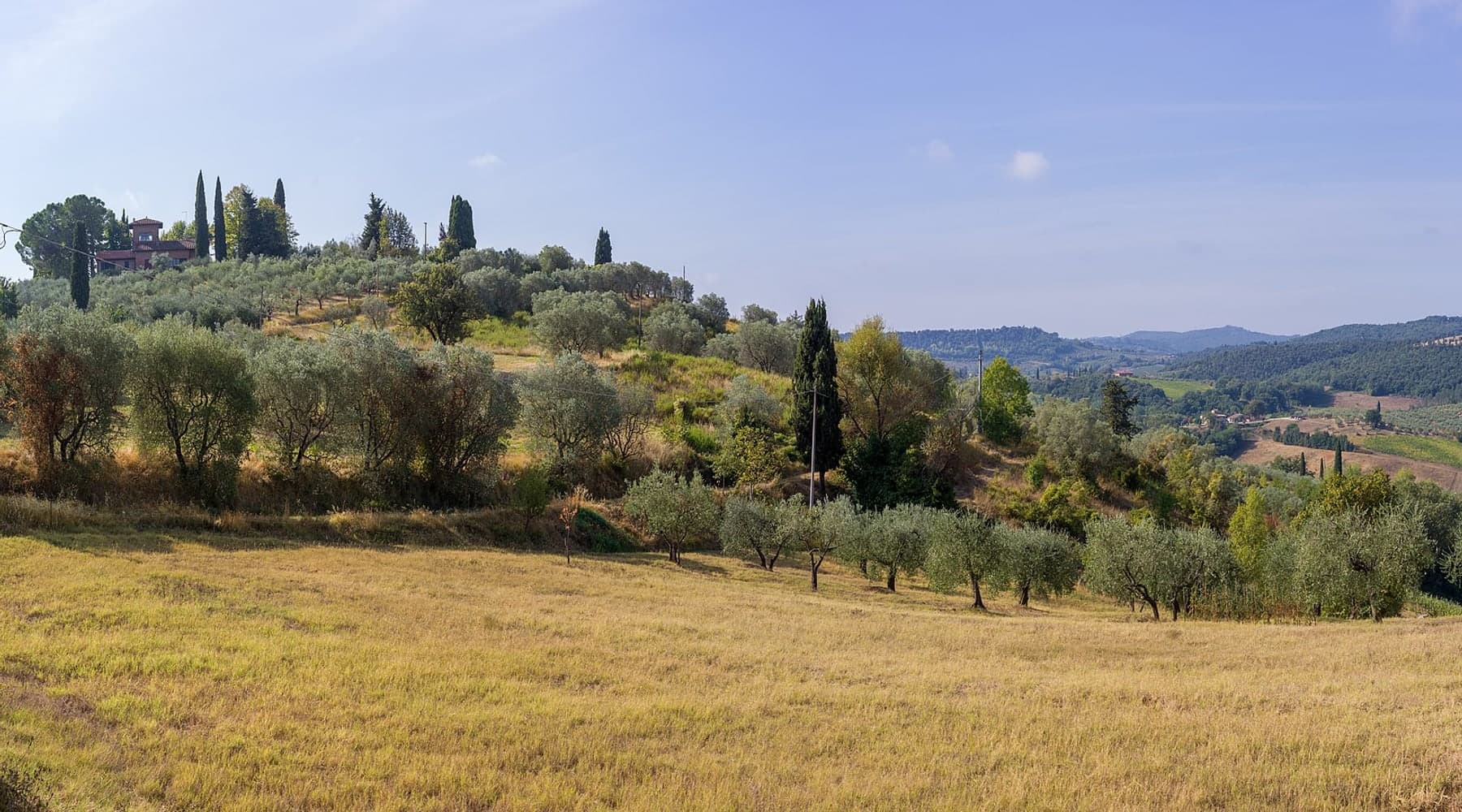
The medieval pilgrimage route from Canterbury to Rome across the Alps and Tuscany — a living tradition and a modern trail.
Via Francigena follows the historic route of Archbishop Sigeric from 990 AD. Most pilgrims walk the Italian section; the most popular stages cross Tuscany and Lazio. The route is marked by a white flag with two red stripes.
Quick orientation of the route line, start, end and elevation profile.
Map data: OpenStreetMap contributors, displayed via Waymarked Trails.
Pilgrim hostels (ostelli) at €15–25/night, option to stay in monasteries for free.
Ideal is spring (April–June) or autumn (September–October). The Italian section is very hot in summer. The Alpine crossing runs June–September.
A long pilgrim route following the historic path of Archbishop Sigeric. Most pilgrims start at the Grand Saint Bernard or Vercelli and walk the Italian section.
History and culture lovers, pilgrims, and those who seek quiet and meditation while walking.
Classic daily stages of 20–28 km. The Italian section can comfortably be completed in 30–40 days.
Train to Canterbury or fly to London. Resupply in every major town along the whole route.
Excellent — every larger village in Tuscany and Lazio has a supermarket or local shop.
No special permits. When crossing the Alps check current border conditions.
Ideal is spring (April–June) or autumn (September–October). The Italian section is very hot in summer. The Alpine crossing runs June–September.
Via Francigena is rated as Moderate. A long pilgrim route following the historic path of Archbishop Sigeric. Most pilgrims start at the Grand Saint Bernard or Vercelli and walk the Italian section.
Via Francigena usually takes 65–90 days. Classic daily stages of 20–28 km. The Italian section can comfortably be completed in 30–40 days.
No special permits. When crossing the Alps check current border conditions.
Excellent — every larger village in Tuscany and Lazio has a supermarket or local shop.