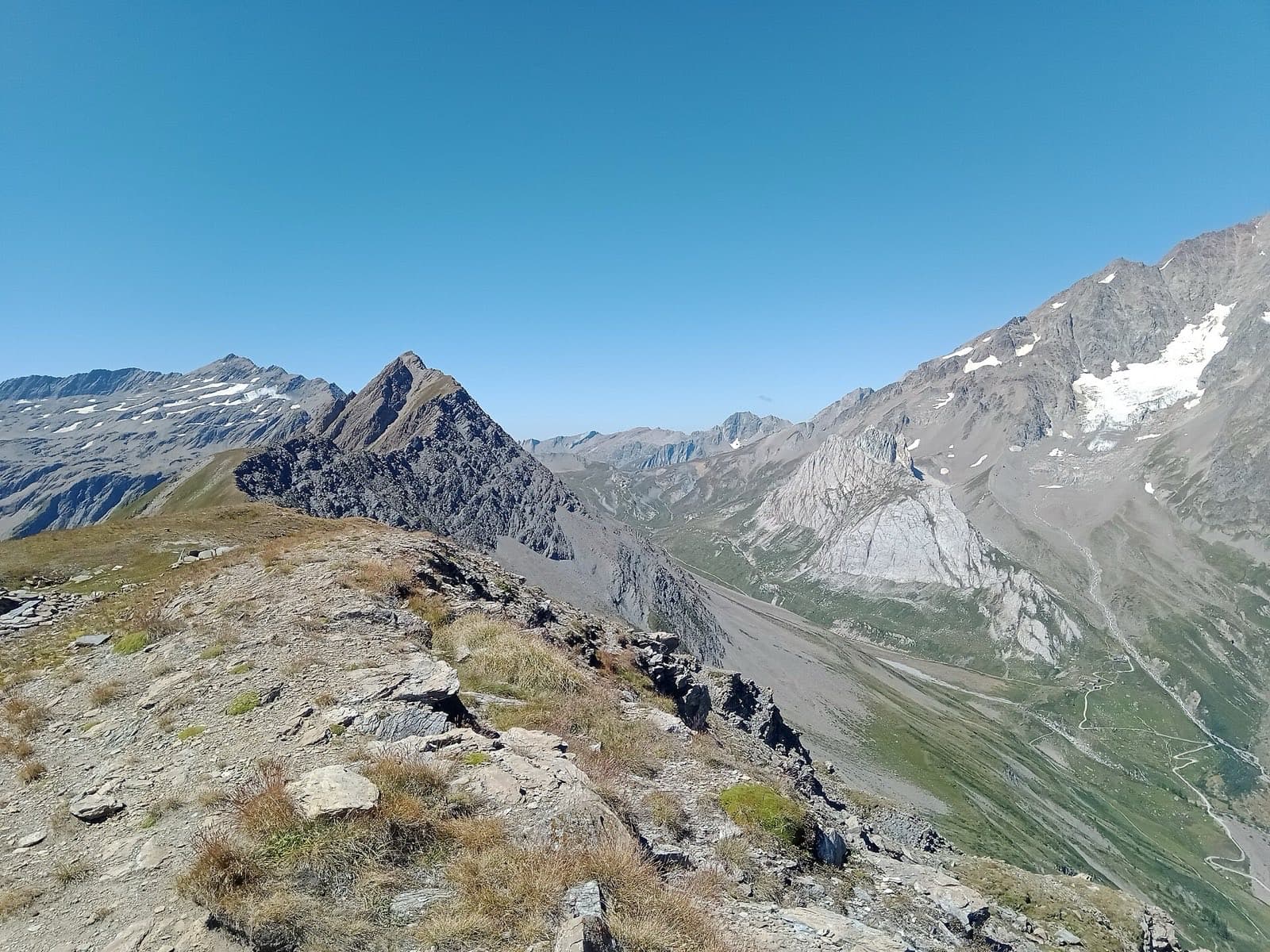
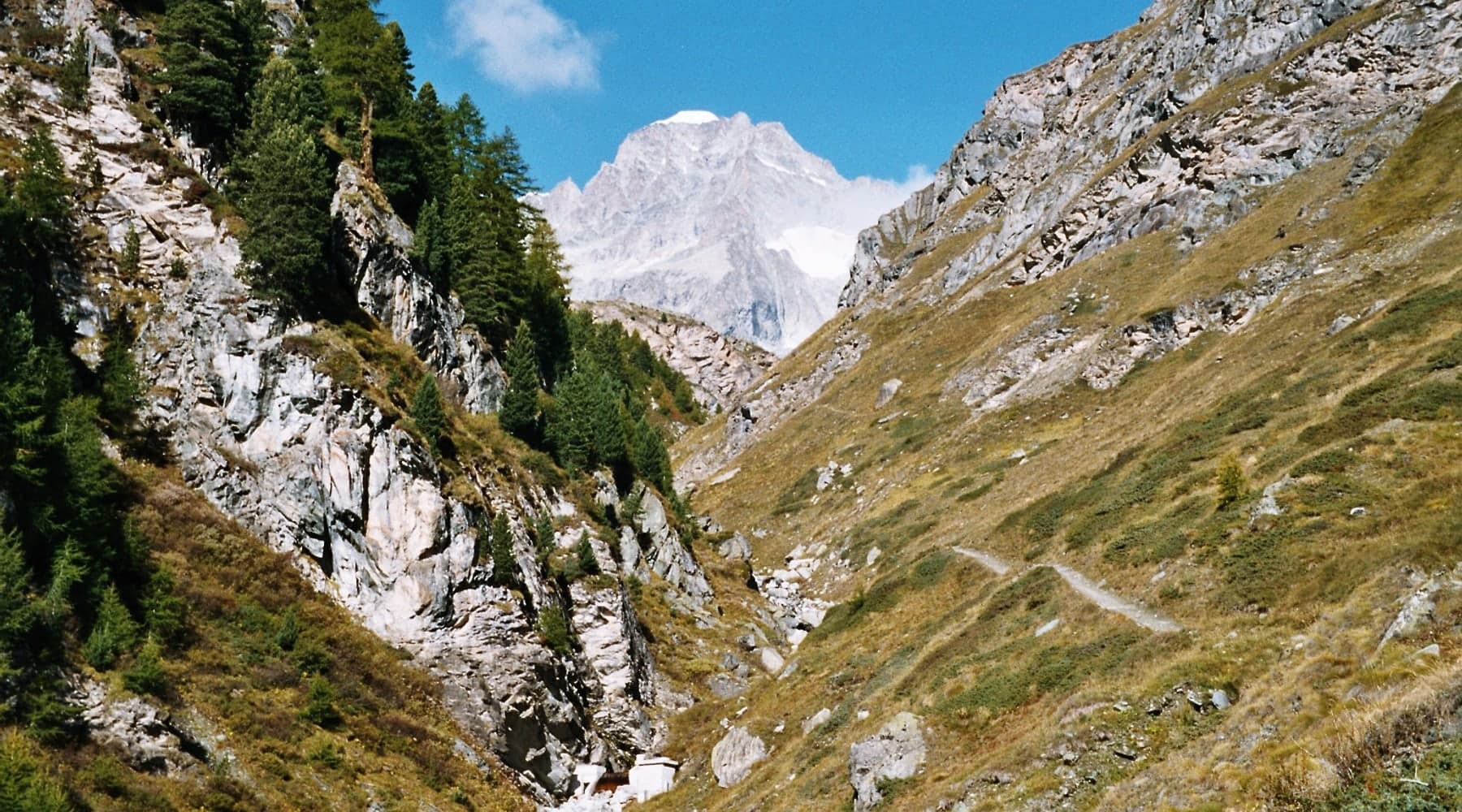
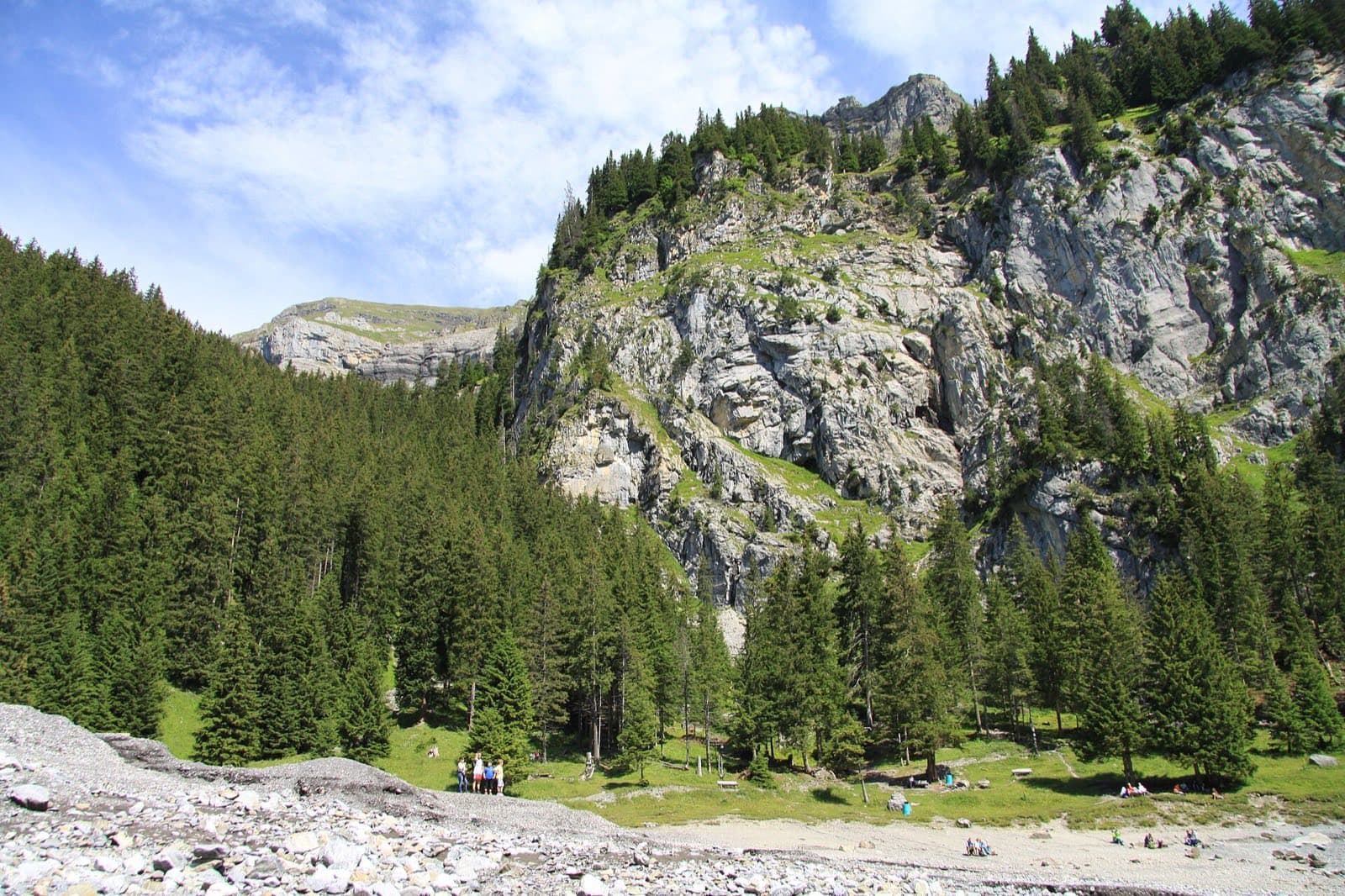
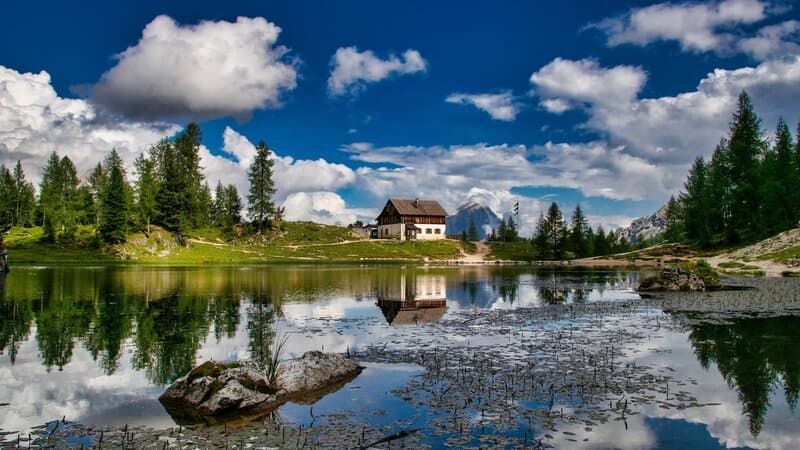
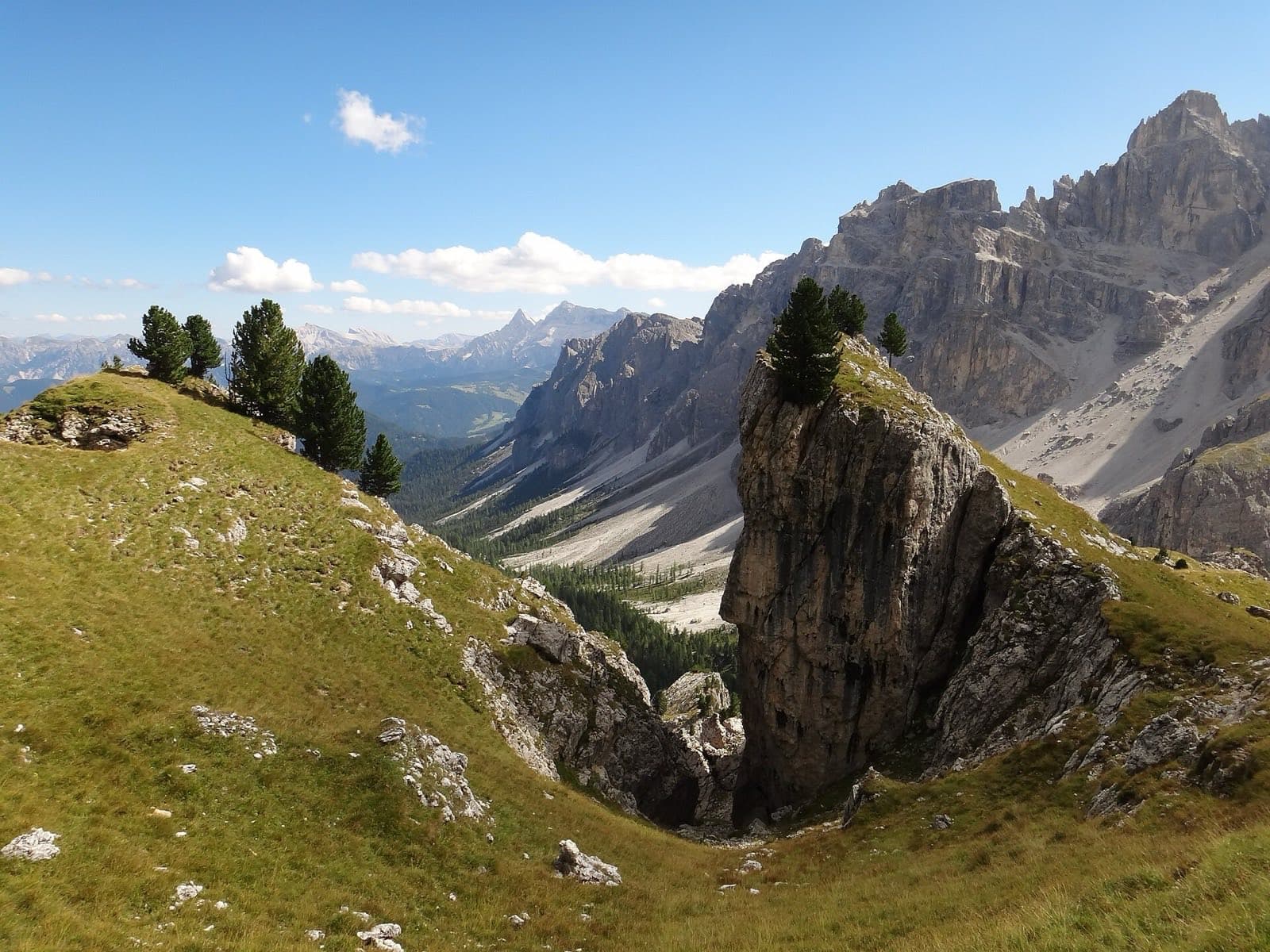
Tour du Mont Blanc is an ideal entry into larger alpine treks for hikers in good shape. It is popular, well-marked and logistically strong, but requires planning due to elevation gain and busy huts.
Distance
170 km
Time
7-10 days
Difficulty
Hard
Total elevation gain
10,000 m
Route & profile
Quick orientation of the route line, start, end and elevation profile.
Elevation profileHighest 2,152 m a.s.l. · Refuge de Bellachat
Francie, Itálie, Švýcarsko
170 km · 11 stages · ↑ 10,000 m
Elevation data for stage points is indicative, derived from Copernicus DEM GLO-90 after geocoding stage locations via OSM; problematic points are manually verified from map or trail sources. Verify against the specific GPX/map before your trip.
Map data: OpenStreetMap contributors, displayed via Waymarked Trails.
Planning
Daily average
15 km
Elevation/day
↑ 900 m
Refugios with half-board are the main cost driver. Swiss sections are noticeably pricier than French and Italian ones.
Season
July, August, September
Accommodation
refuge, hotel, campsite
Mid-June to mid-September. June and September have fewer people but some passes may have snow — check conditions. Peak season (July–August) guarantees open refugios but popular spots are heavily crowded.
Mont Blancokruhvýborná infrastruktura
What to expect
Character
A circuit around the highest mountain in the Alps across three countries — France, Italy and Switzerland. One of Europe's most famous treks thanks to dramatic alpine scenery, good infrastructure and accessibility. Daily stages are physically demanding (total elevation over 10,000 m), but mountain refugios and villages allow comfortable planning.
Who it's for
More experienced hikers with a fitness base who want the combination of a demanding mountain route and alpine comfort — refugios with hot dinners, glacier views and short access from civilisation.
Suggested pace
7–10 days is a sensible planning frame. A shorter itinerary only makes sense with a lighter pack and confidence in daily pace.
Logistics
Start and finish typically at Les Houches (or Chamonix, 10 min by bus). Easily reached by train from Geneva or Lyon airport. Book refugios in advance — in July and August they fill up weeks ahead. Taxis and shuttles connect Chamonix with key route points for shortening or skipping stages.
Resupply & permits
Resupply
The villages of Chamonix, Courmayeur and Champex-Lac offer full resupply. Refugios sell snacks and drinks but prices are high. For a self-catering trek, resupply is sufficient in Courmayeur (day 4–5) and Champex (day 8–9).
Permits & regulations
No entry permits required. Overnights in some French national park refugios require reservation — but not a special permit. The French, Italian and Swiss sections have no entry fees.
Why go
Views of Mont Blanc, Grandes Jorasses, Matterhorn and Monte Rosa in a single circuit.
Three different alpine cultures — French, Italian and Swiss — within one week.
Phenomenal refugios with full service; possible to trek without tent or stove.
Well-mapped and safe route with clear alternatives and escapes on every stage.
Chamonix as base before and after — one of the best mountain towns in Europe.
Watch out for
July–August refugio booking required 2–3 months in advance; without a reservation you risk sleeping outside.
Several exposed sections (Col des Fours, Grand Col Ferret) are riskier in fog or storms.
High tourist traffic — in peak season you meet hundreds of people daily; an early start is an advantage.
Altitude and elevation gain can surprise hikers used only to day hikes — take the first day slow.
Sources
Official
OfficialMon Tour du Mont-BlancOfficialFR
Maps & GPX
MapWaymarked Trails searchEN
Frequently asked questions
When is the best time for Tour du Mont Blanc?
Mid-June to mid-September. June and September have fewer people but some passes may have snow — check conditions. Peak season (July–August) guarantees open refugios but popular spots are heavily crowded.
How hard is Tour du Mont Blanc?
Tour du Mont Blanc is rated as Hard. A circuit around the highest mountain in the Alps across three countries — France, Italy and Switzerland. One of Europe's most famous treks thanks to dramatic alpine scenery, good infrastructure and accessibility. Daily stages are physically demanding (total elevation over 10,000 m), but mountain refugios and villages allow comfortable planning.
How many days does Tour du Mont Blanc take?
Tour du Mont Blanc usually takes 7–10 days. 7–10 days is a sensible planning frame. A shorter itinerary only makes sense with a lighter pack and confidence in daily pace.
Do I need a permit for Tour du Mont Blanc?
No entry permits required. Overnights in some French national park refugios require reservation — but not a special permit. The French, Italian and Swiss sections have no entry fees.
What about resupply on Tour du Mont Blanc?
The villages of Chamonix, Courmayeur and Champex-Lac offer full resupply. Refugios sell snacks and drinks but prices are high. For a self-catering trek, resupply is sufficient in Courmayeur (day 4–5) and Champex (day 8–9).