Character
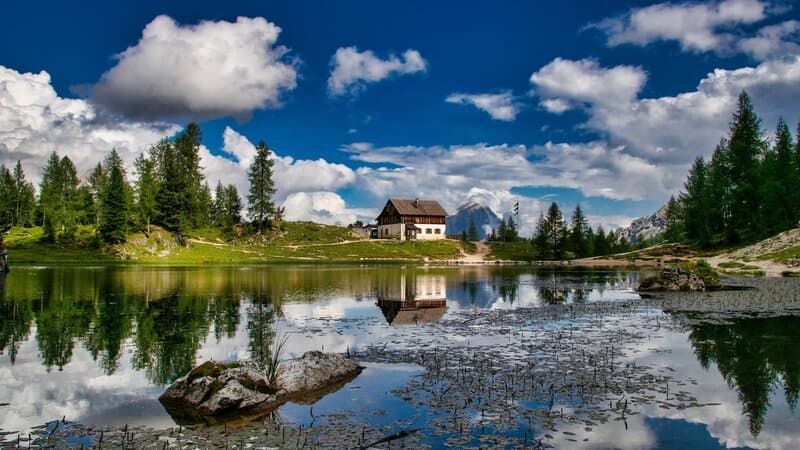
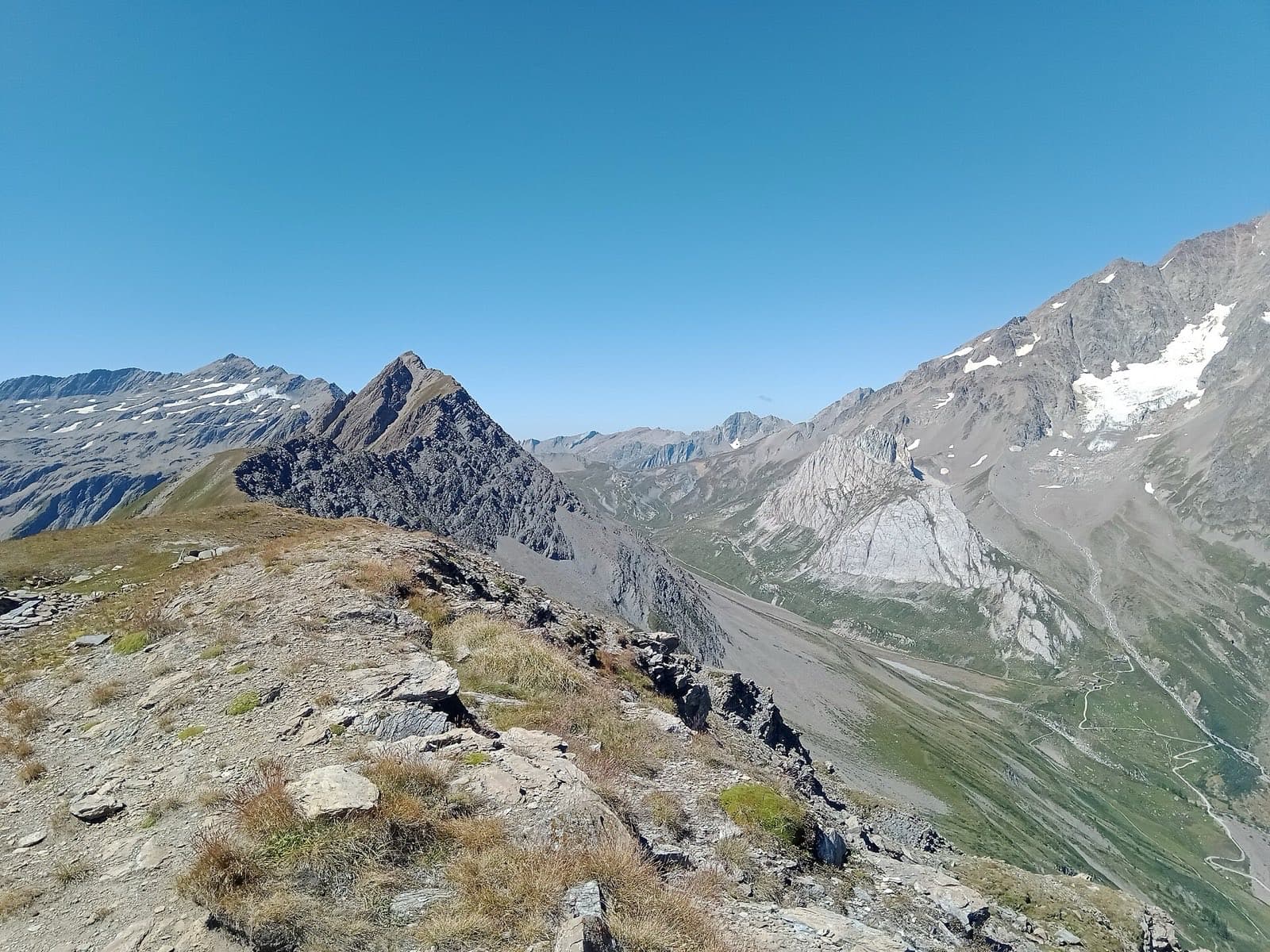
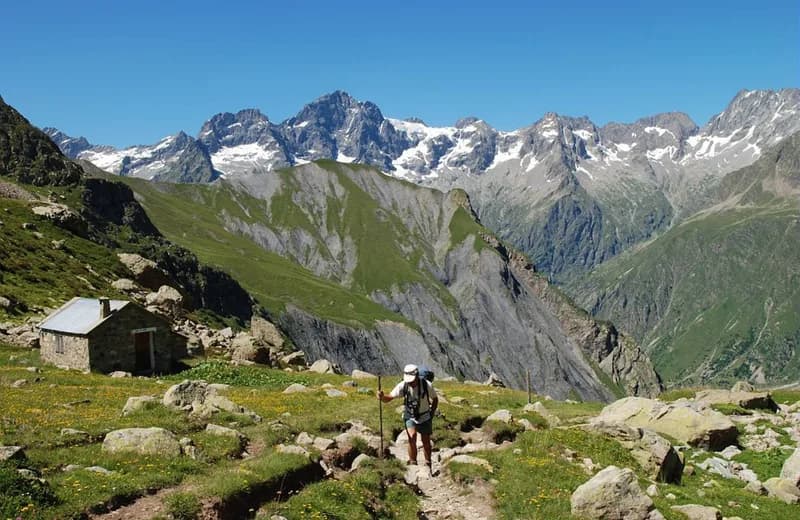
A wilder and sharper Dolomite traverse than AV1, with higher passes, longer days and less margin for planning errors.
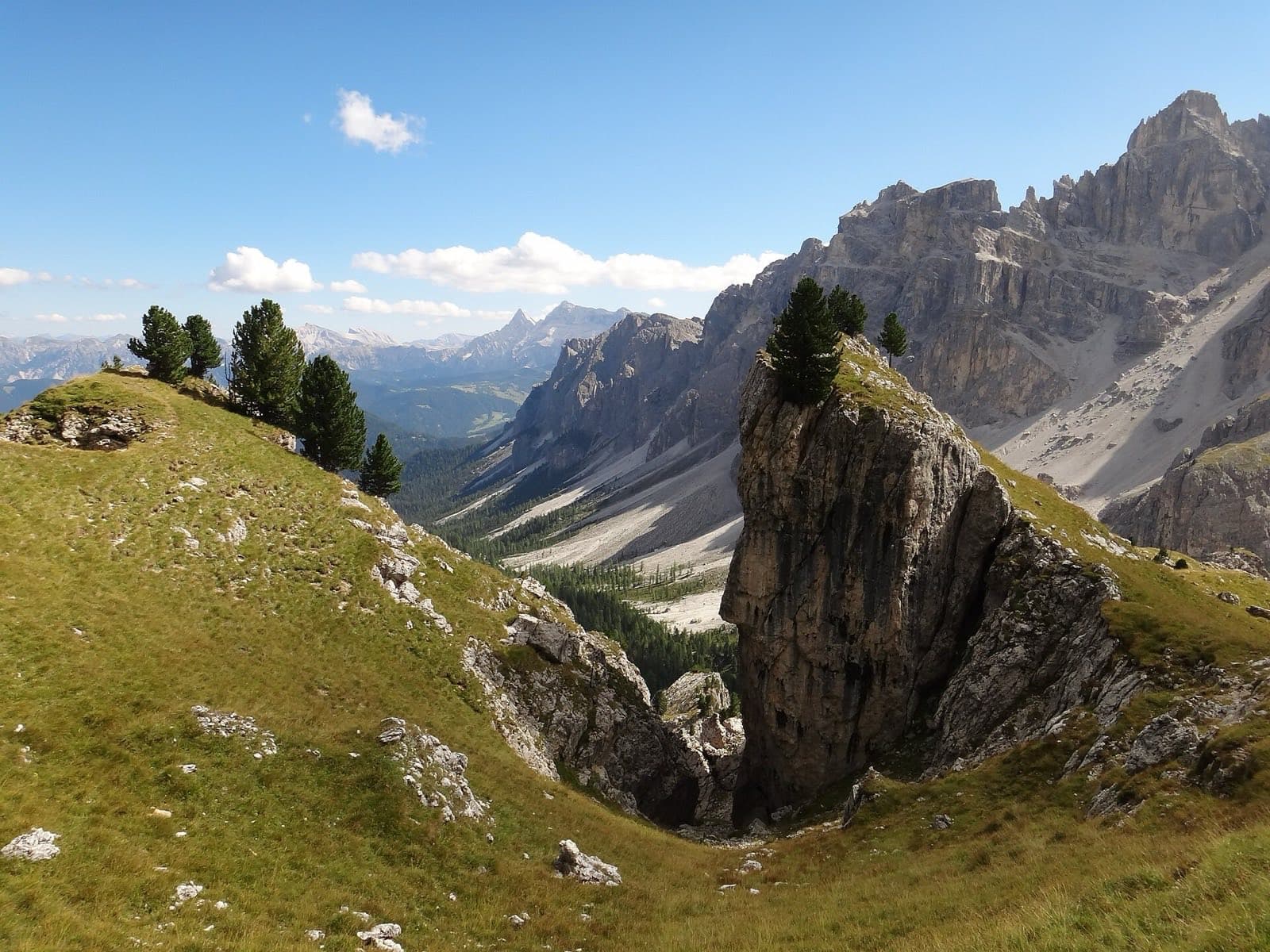
A more demanding Dolomite traverse for experienced hikers wanting a wilder character than Alta Via 1.
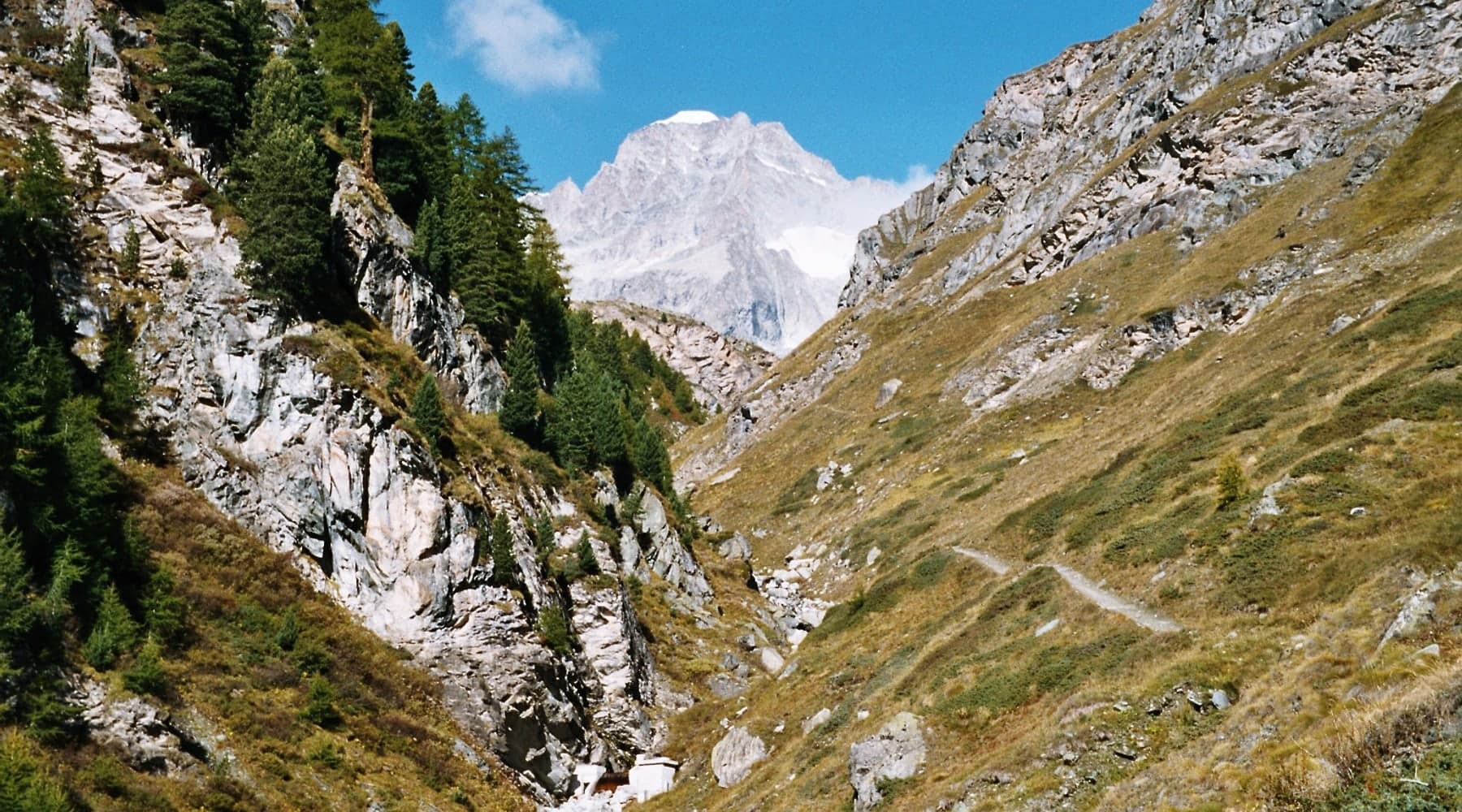
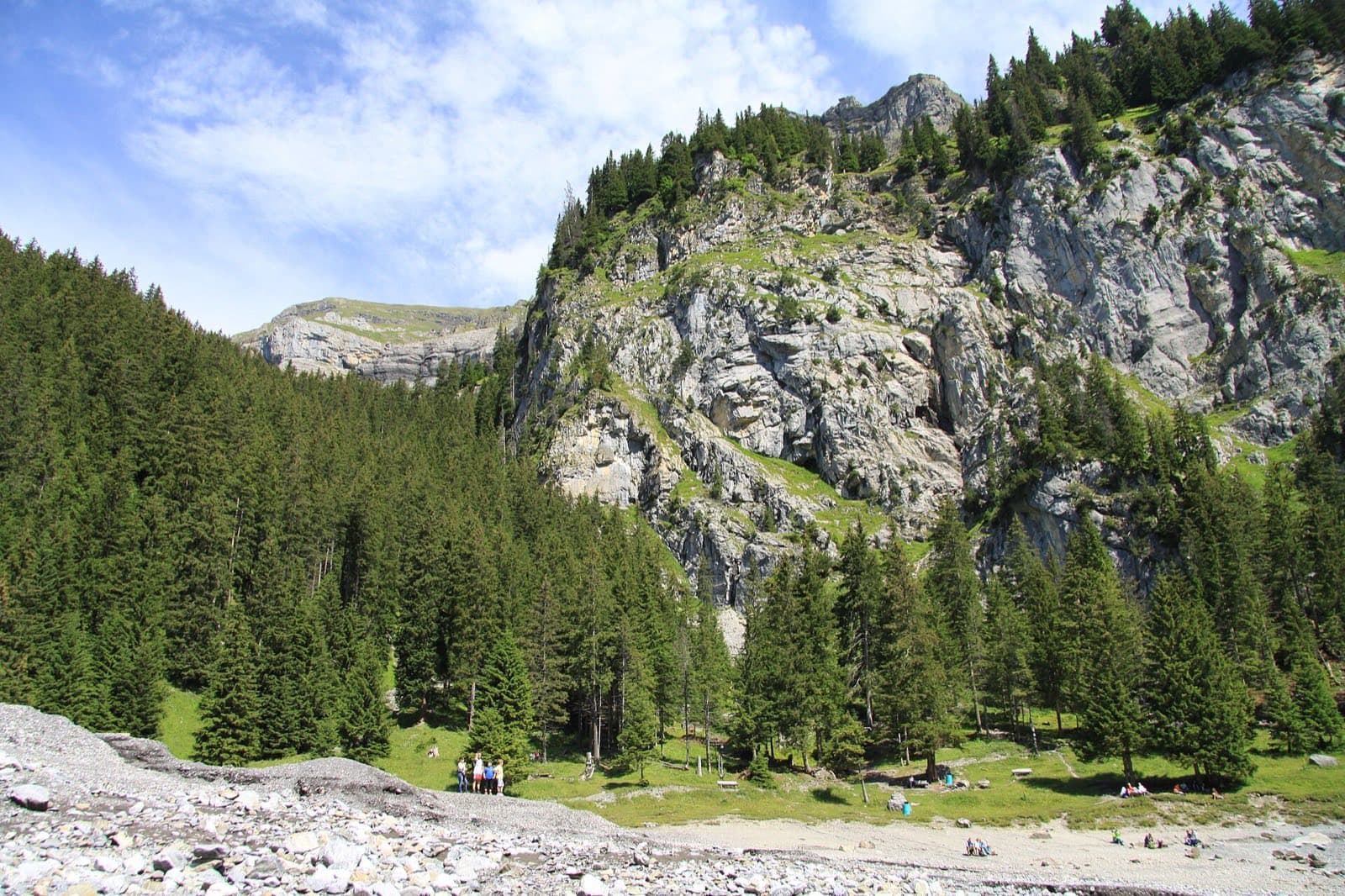
Alta Via 2 is more technical and remote than Alta Via 1. It requires confidence in alpine terrain, careful hut planning and respect for Dolomite weather.
Quick orientation of the route line, start, end and elevation profile.
Elevation data for stage points is indicative, derived from Copernicus DEM GLO-90 after geocoding stage locations via OSM; problematic points are manually verified from map or trail sources. Verify against the specific GPX/map before your trip.
Map data: OpenStreetMap contributors, displayed via Waymarked Trails.
Budget for pricier rifugi, occasional cable cars or buses, and less flexibility for improvisation than AV1.
July to September. June may have snow patches; September has fewer people but shorter days.
A wilder and sharper Dolomite traverse than AV1, with higher passes, longer days and less margin for planning errors.
Experienced alpine hikers who can handle steep descents, scree and changeable weather.
11–14 days. A spare day is particularly useful around Marmolada, Pale di San Martino and the final section near Feltre.
Bressanone and Feltre both have train connections. Internal logistics depend on rifugi and a few road passes.
Resupply mainly in valley villages and at road passes; don't count on shops between some huts.
No permit required in general, but via ferrata variants require the right gear and local condition checks.
July to September. June may have snow patches; September has fewer people but shorter days.
Alta Via 2 is rated as Expert. A wilder and sharper Dolomite traverse than AV1, with higher passes, longer days and less margin for planning errors.
Alta Via 2 usually takes 11–14 days. 11–14 days. A spare day is particularly useful around Marmolada, Pale di San Martino and the final section near Feltre.
No permit required in general, but via ferrata variants require the right gear and local condition checks.
Resupply mainly in valley villages and at road passes; don't count on shops between some huts.