Character
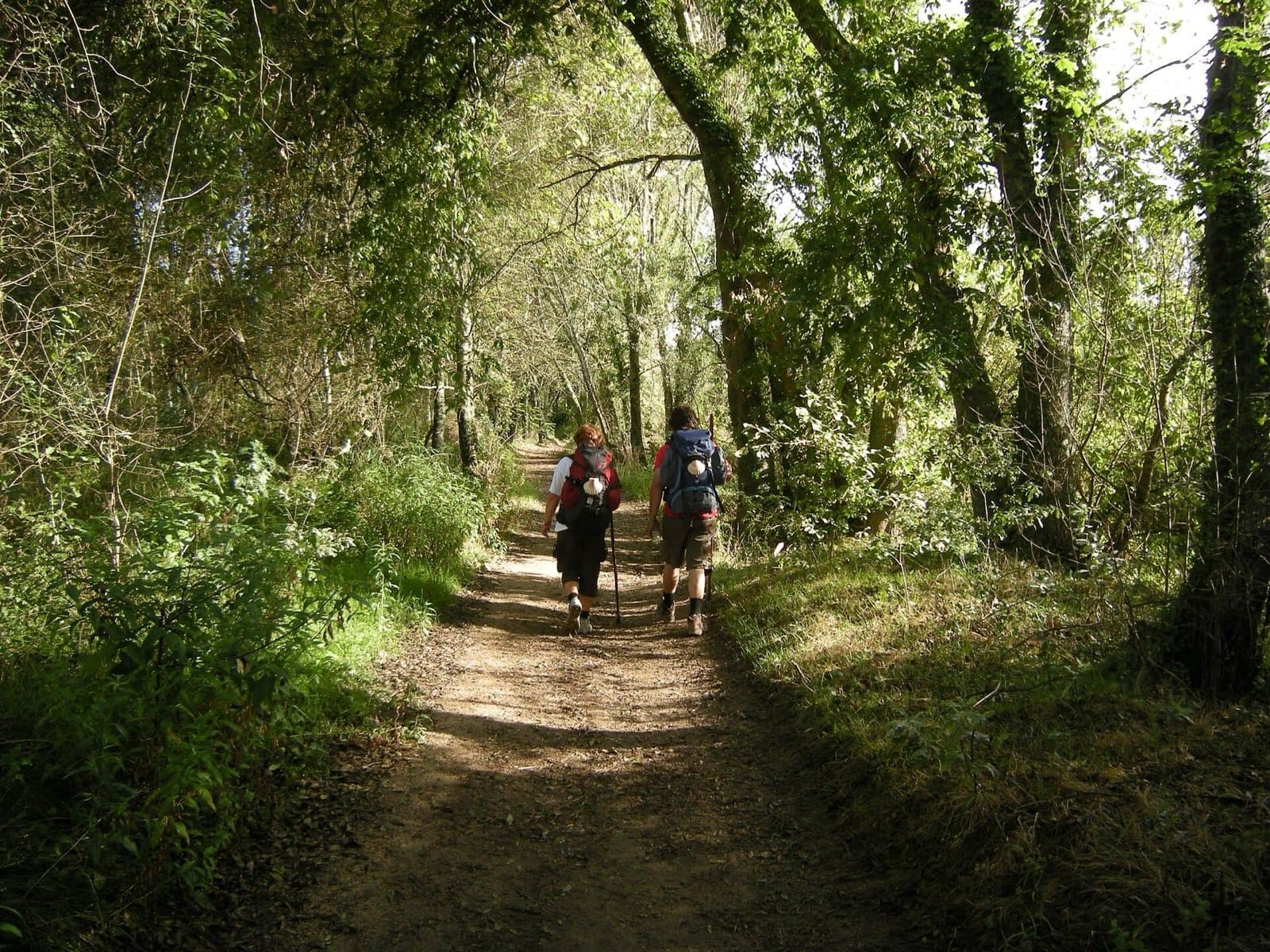
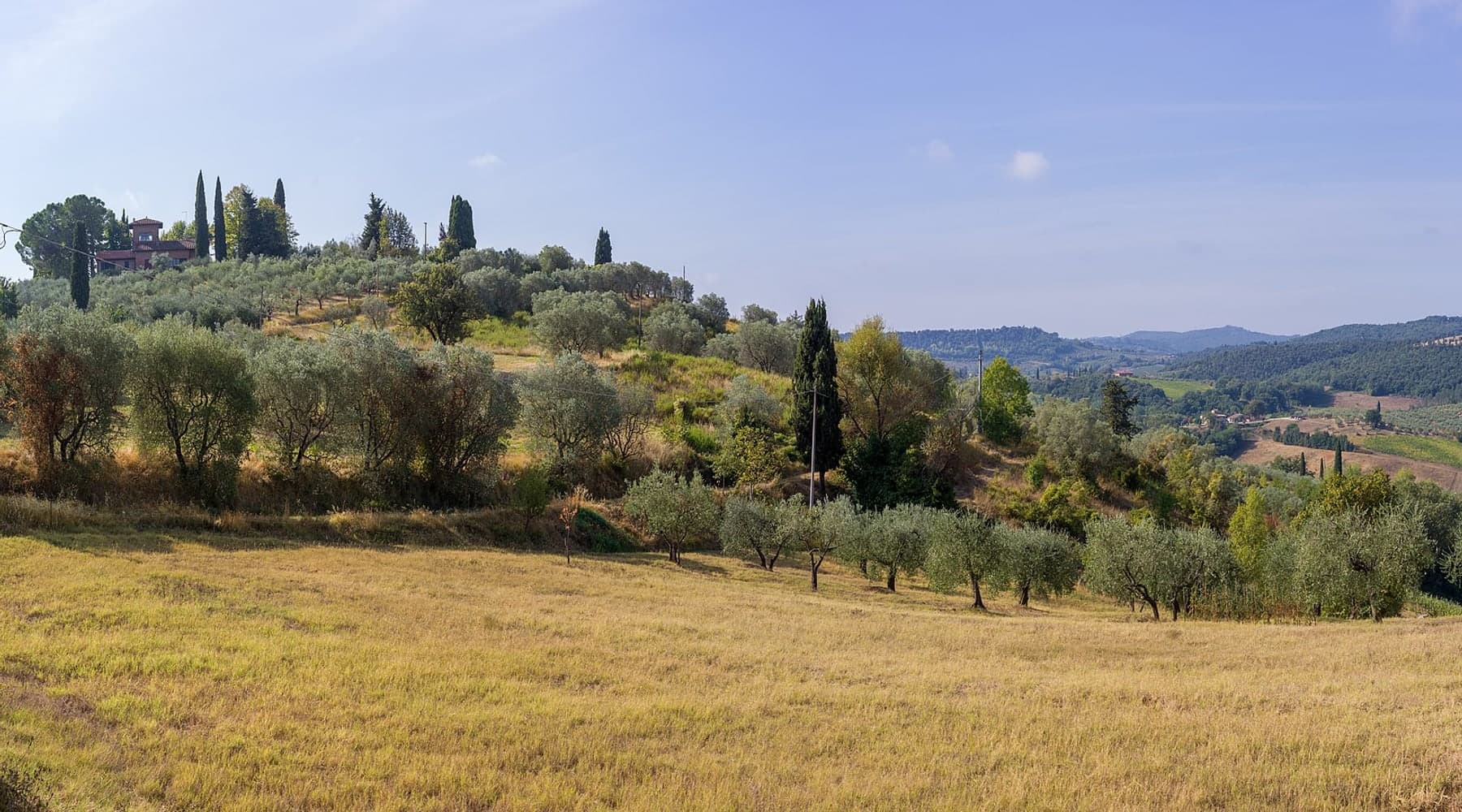
Spain's longest Camino along the historic Roman road through the empty Extremadura.
The Silver Way from Seville to Santiago — Spain's longest Camino through the sparsely populated Extremadura.
Via de la Plata follows the ancient Roman road Via Augusta. It is the oldest and longest Spanish pilgrim route to Santiago. Extremadura is dry and hot — best walked in spring or autumn. Significantly fewer pilgrims than on Camino Francés.
Quick orientation of the route line, start, end and elevation profile.
Map data: OpenStreetMap contributors, displayed via Waymarked Trails.
Albergue at €8–15/night, similar standards to other Caminos.
Ideal is March–April or October–November. Summer exceeds 40 °C — unsuitable. Albergues are open in winter.
Spain's longest Camino along the historic Roman road through the empty Extremadura.
Pilgrims seeking an authentic experience without the crowds of Camino Francés, enthusiasts of Roman history.
Stages of 25–35 km per day. Spring and autumn suit longer stages. In summer an early start is essential.
Train to Seville from Madrid. Albergues are available every 20–35 km along the whole route.
Reasonable — supermarkets in every larger town, but distances are greater than on the Francés.
A pilgrim passport (credencial) is needed for albergues and the Compostela certificate.
Ideal is March–April or October–November. Summer exceeds 40 °C — unsuitable. Albergues are open in winter.
Via de la Plata is rated as Moderate. Spain's longest Camino along the historic Roman road through the empty Extremadura.
Via de la Plata usually takes 35–45 days. Stages of 25–35 km per day. Spring and autumn suit longer stages. In summer an early start is essential.
A pilgrim passport (credencial) is needed for albergues and the Compostela certificate.
Reasonable — supermarkets in every larger town, but distances are greater than on the Francés.