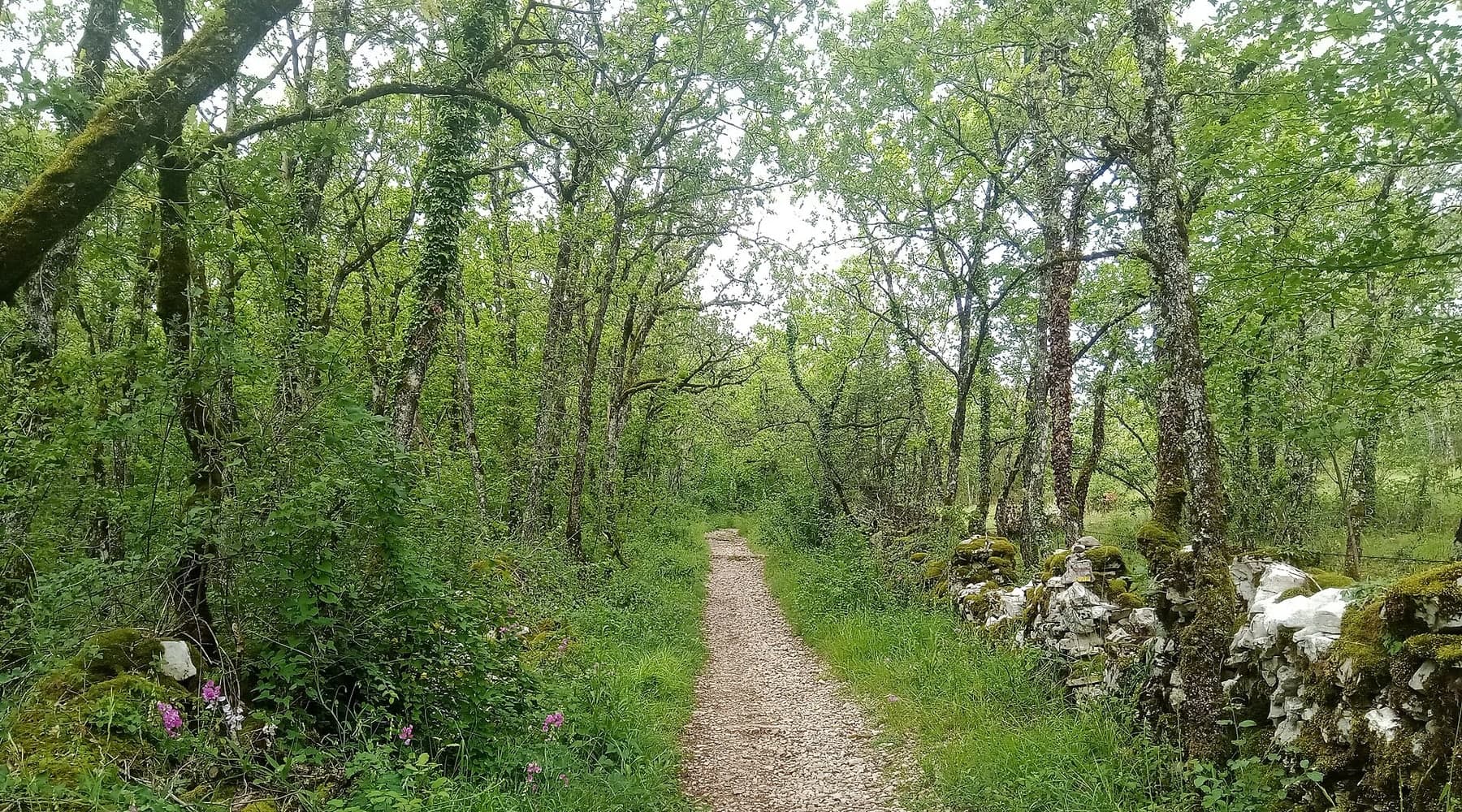
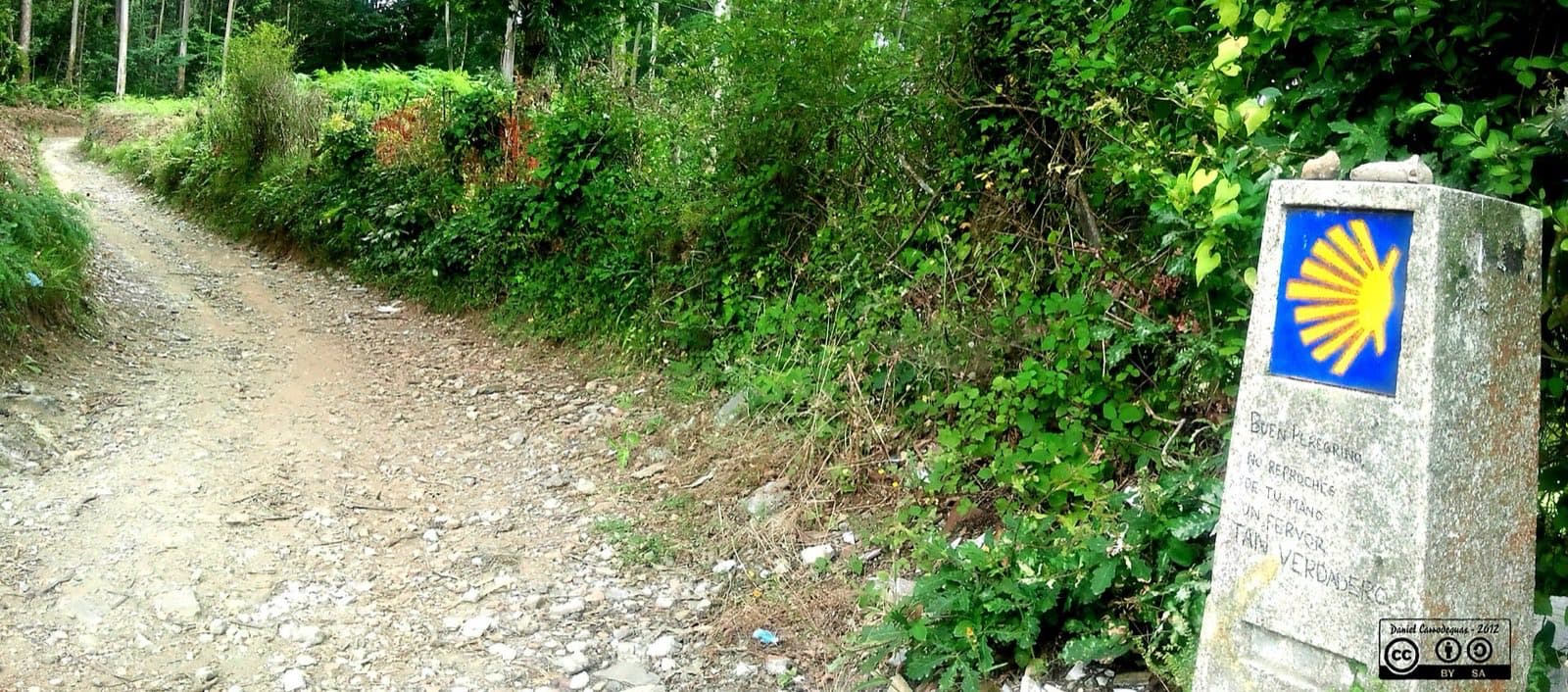
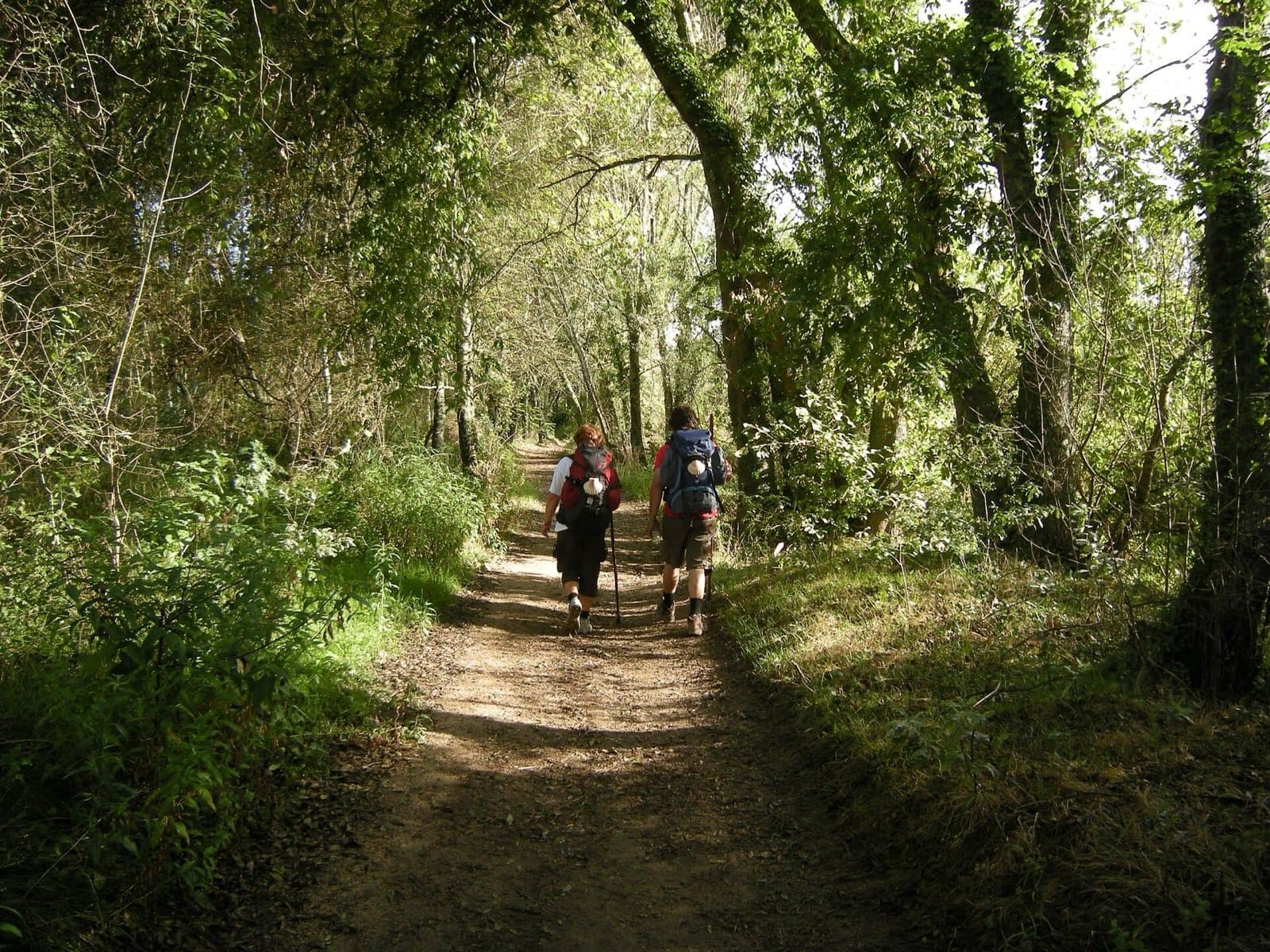
Camino Francés is the principal pilgrim route to Santiago de Compostela. It is not technically demanding, but will test you with the cumulative days, foot care and finding your own rhythm on a well-travelled trail.
Distance
790 km
Time
30-36 days
Difficulty
Moderate
Total elevation gain
12,900 m
Route & profile
Quick orientation of the route line, start, end and elevation profile.
Elevation profileHighest 1,300 m a.s.l. · O Cebreiro
Francie a Španělsko
790 km · 18 stages · ↑ 12,900 m
Elevation data for stage points is indicative, derived from Copernicus DEM GLO-90 after geocoding stage locations via OSM; problematic points are manually verified from map or trail sources. Verify against the specific GPX/map before your trip.
Map data: OpenStreetMap contributors, displayed via Waymarked Trails.
Planning
Daily average
24 km
Elevation/day
↑ 400 m
Albergues at €8–15/night are the most economical option. In peak season book ahead in Burgos, León and the last 100 km.
Season
April, May, June, September, October
Accommodation
albergue, hostel, hotel
April–June: pleasant temperatures, fewer tourists on the Meseta. July–August: extreme heat on the Meseta (37–42 °C), heavily oversubscribed albergues. September–October: ideal combination of weather and availability. Winter possible but many albergues are closed.
nejznámější caminosilná komunitavýborná infrastruktura
What to expect
Character
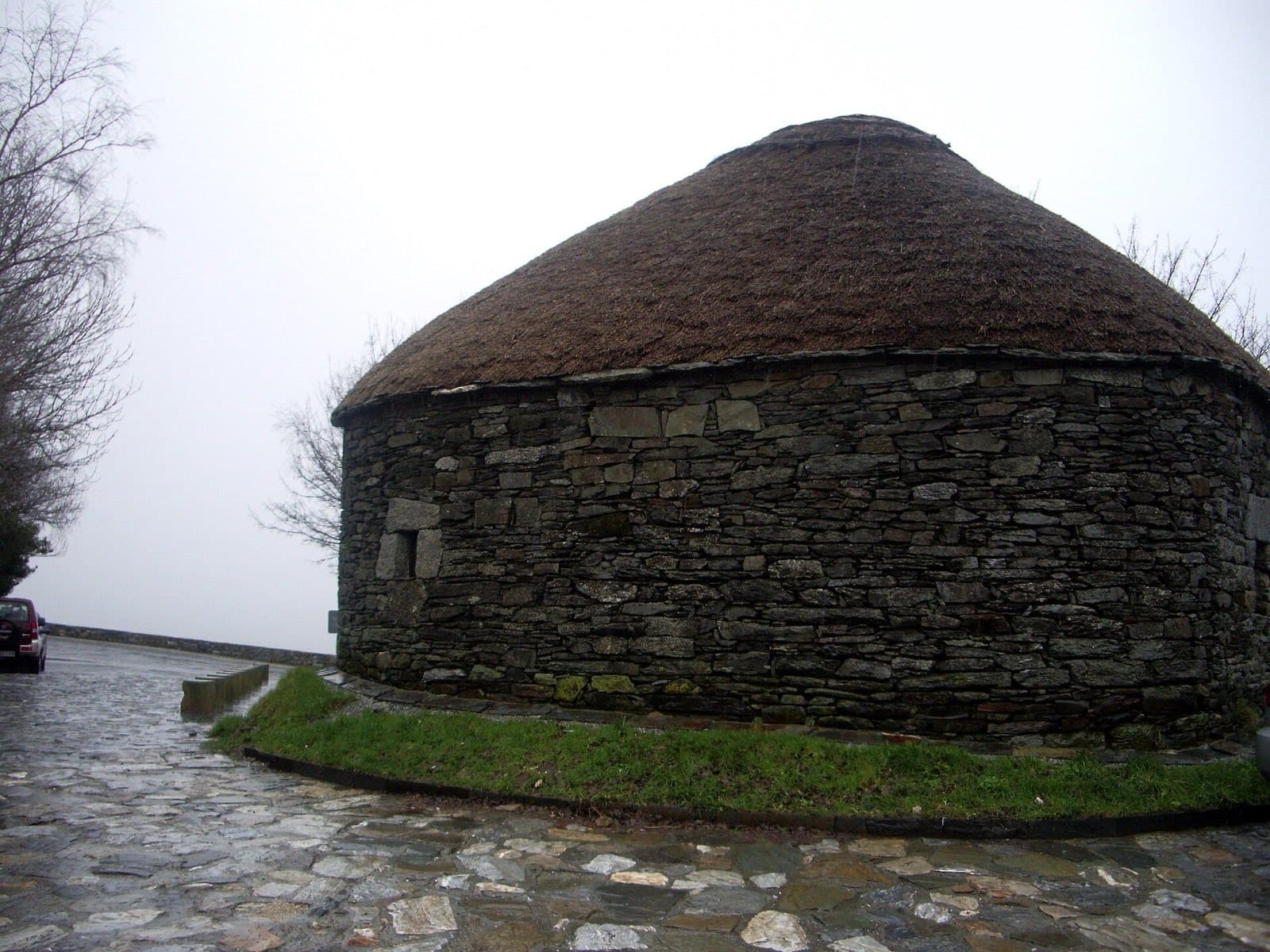
The world's most-walked pilgrim route — still authentic and powerful in experience. The route crosses the Pyrenees, the Meseta and Galicia to Santiago. Well-marked with dense infrastructure — an albergue every few kilometres. Physically manageable even for beginners, but 800 km demands foot preparation and respect for daily pace.
Who it's for
Pilgrims of all ages seeking a combination of walking, meeting people and the pilgrim atmosphere. Works as a first long trek or a meaningful holiday.
Suggested pace
30–36 days is a sensible planning frame. A shorter itinerary only makes sense with a lighter pack and confidence in daily pace.
Logistics
Start in Saint-Jean-Pied-de-Port (SNCF from Bayonne), finish in Santiago de Compostela (airport, train back). Book albergues in high season in advance — especially in Burgos, León and the last 100 km. Pick up a credencial (pilgrim passport) at the very start.
Resupply & permits
Resupply
Villages and towns every 5–20 km throughout the route. Supermarkets, bars and albergues with kitchens available regularly. No real supply gaps — the Meseta is the longest stretch between larger villages (about 18 km without services).
Permits & regulations
No entry permit required. A credencial (pilgrim passport) is not obligatory, but needed to obtain the Compostela certificate. Issued in Saint-Jean-Pied-de-Port or the first albergue.
Why go
The strongest pilgrim community in the world — you meet people from every continent every day.
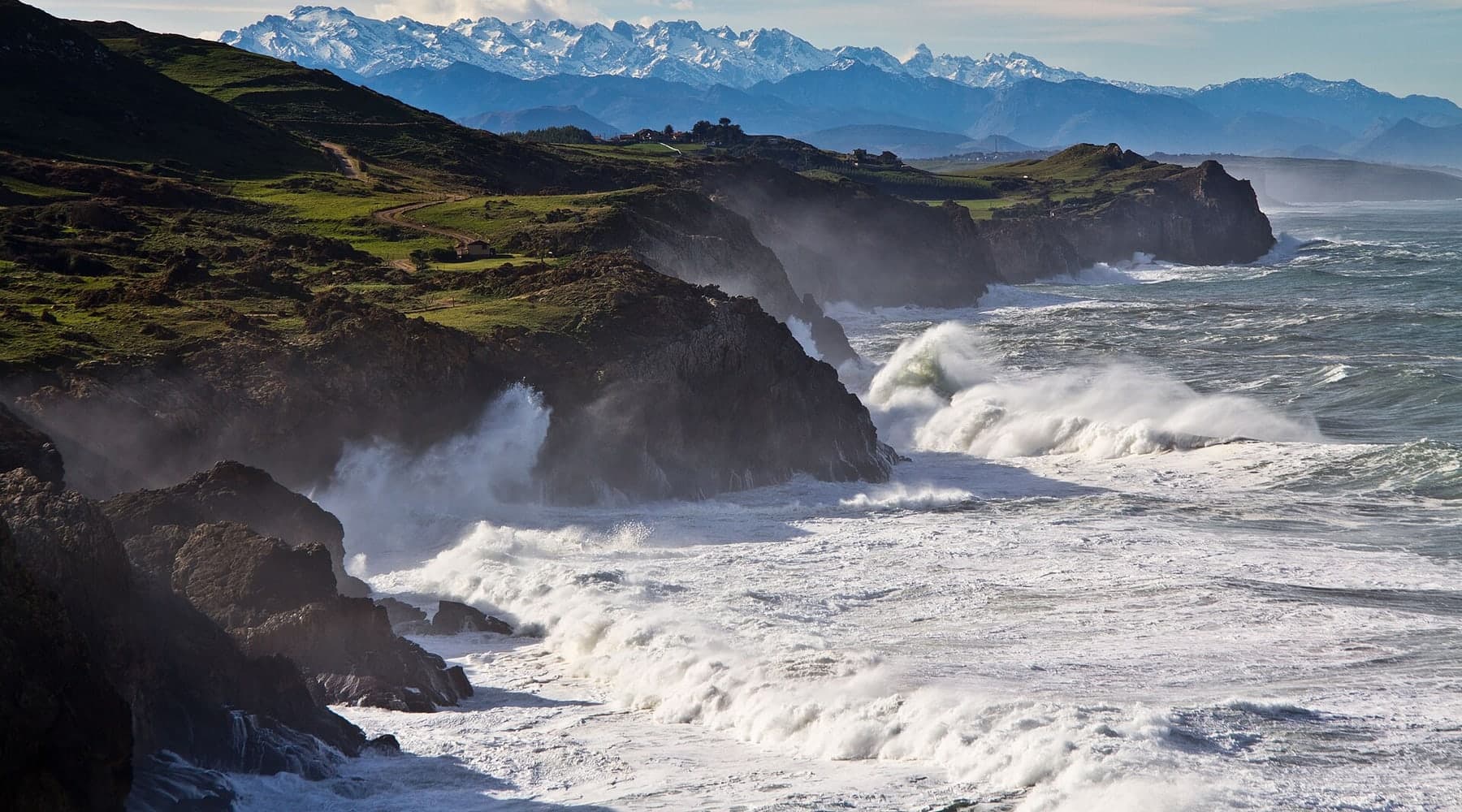
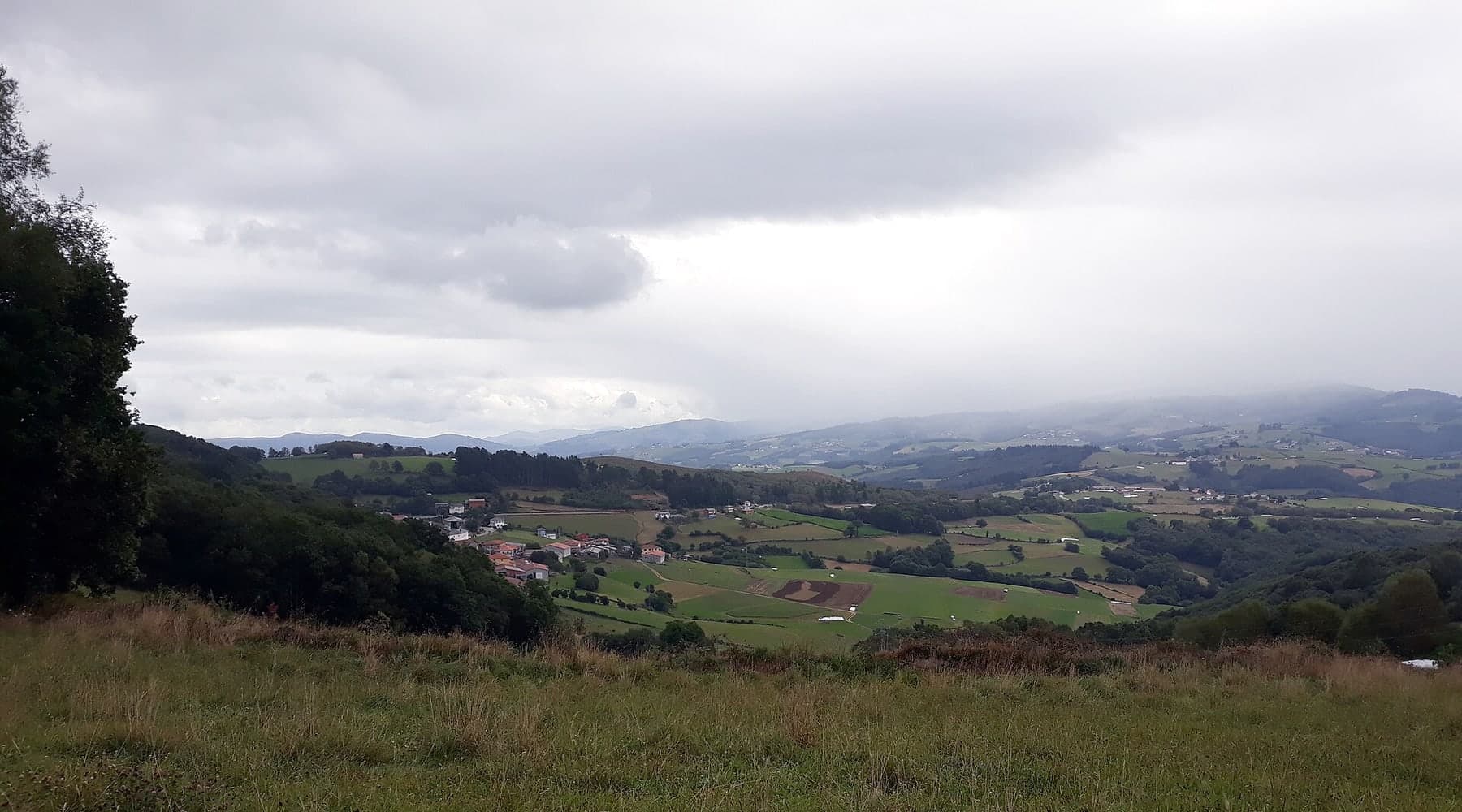
Landscape variety: Pyrenees, Castilian Meseta, Galician hills and maritime climate.
Santiago de Compostela as a destination has real symbolic and architectural impact.
The longest and most complete albergue network in Europe — bed prices between €8–15.
Watch out for
Summer on the Meseta is extremely hot — starting early (before 7:00) is a necessity, not a choice.
Blisters are the most common problem; pay attention to footwear and socks before you leave.
Overcrowded albergues in popular spots in season — Pamplona, Burgos, O Cebreiro.
Tourist commercialisation of the last 100 km (from Sarria) — expect a different pace and character.
Sources
Official
OfficialCamino Frances official GaliciaOfficialEN
Maps & GPX
MapWaymarked Trails searchEN
Guides & blogs
GuidebookGronze Camino FrancesES
Accommodation
AccommodationGronze Camino Frances alberguesES
Frequently asked questions
When is the best time for Camino Frances?
April–June: pleasant temperatures, fewer tourists on the Meseta. July–August: extreme heat on the Meseta (37–42 °C), heavily oversubscribed albergues. September–October: ideal combination of weather and availability. Winter possible but many albergues are closed.
How hard is Camino Frances?
Camino Frances is rated as Moderate. The world's most-walked pilgrim route — still authentic and powerful in experience. The route crosses the Pyrenees, the Meseta and Galicia to Santiago. Well-marked with dense infrastructure — an albergue every few kilometres. Physically manageable even for beginners, but 800 km demands foot preparation and respect for daily pace.
How many days does Camino Frances take?
Camino Frances usually takes 30–36 days. 30–36 days is a sensible planning frame. A shorter itinerary only makes sense with a lighter pack and confidence in daily pace.
Do I need a permit for Camino Frances?
No entry permit required. A credencial (pilgrim passport) is not obligatory, but needed to obtain the Compostela certificate. Issued in Saint-Jean-Pied-de-Port or the first albergue.
What about resupply on Camino Frances?
Villages and towns every 5–20 km throughout the route. Supermarkets, bars and albergues with kitchens available regularly. No real supply gaps — the Meseta is the longest stretch between larger villages (about 18 km without services).