Character
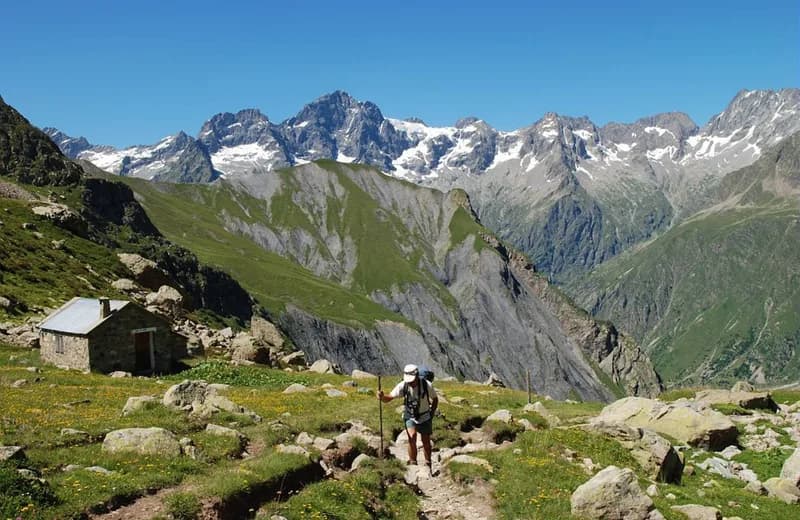
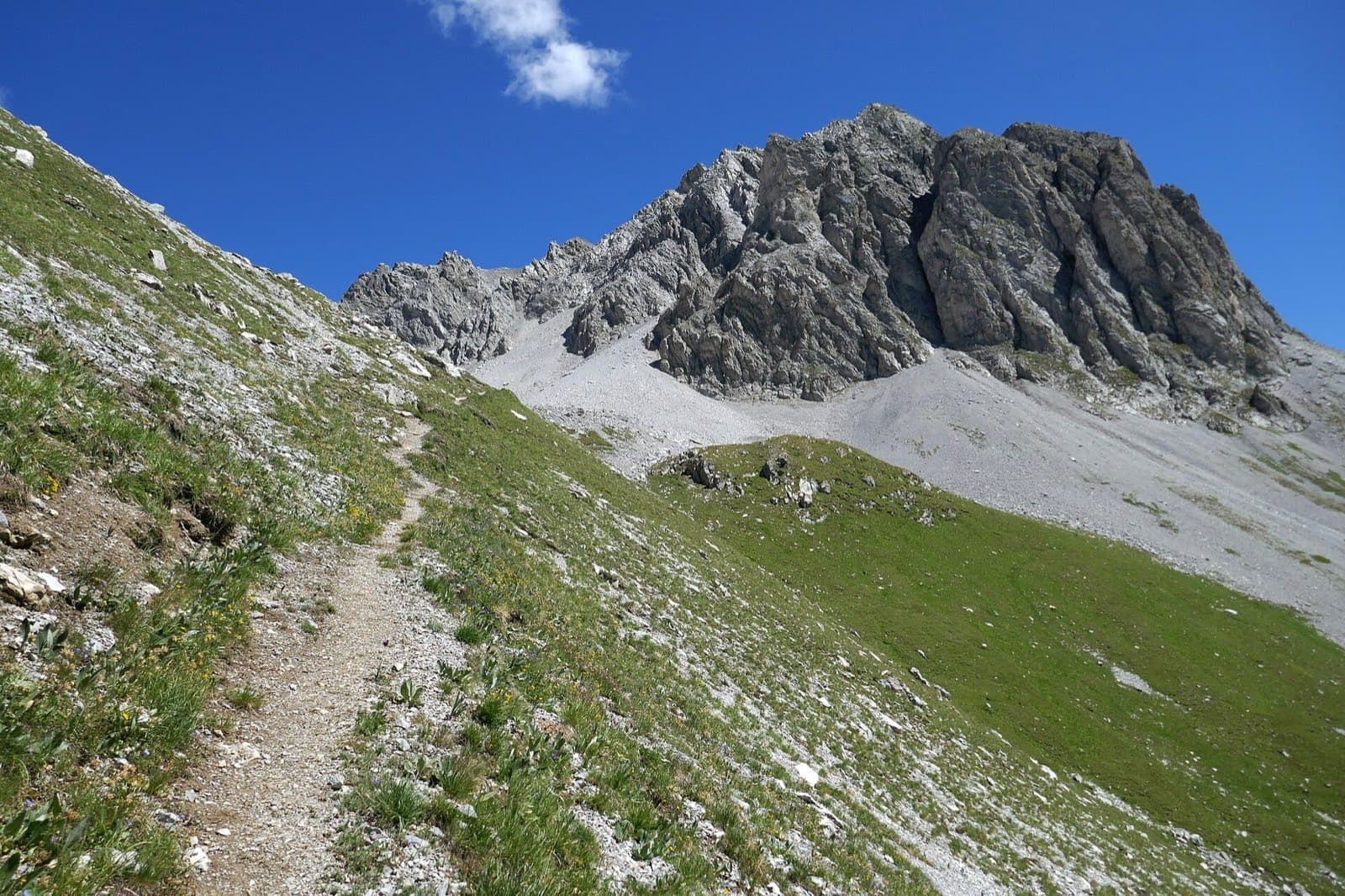
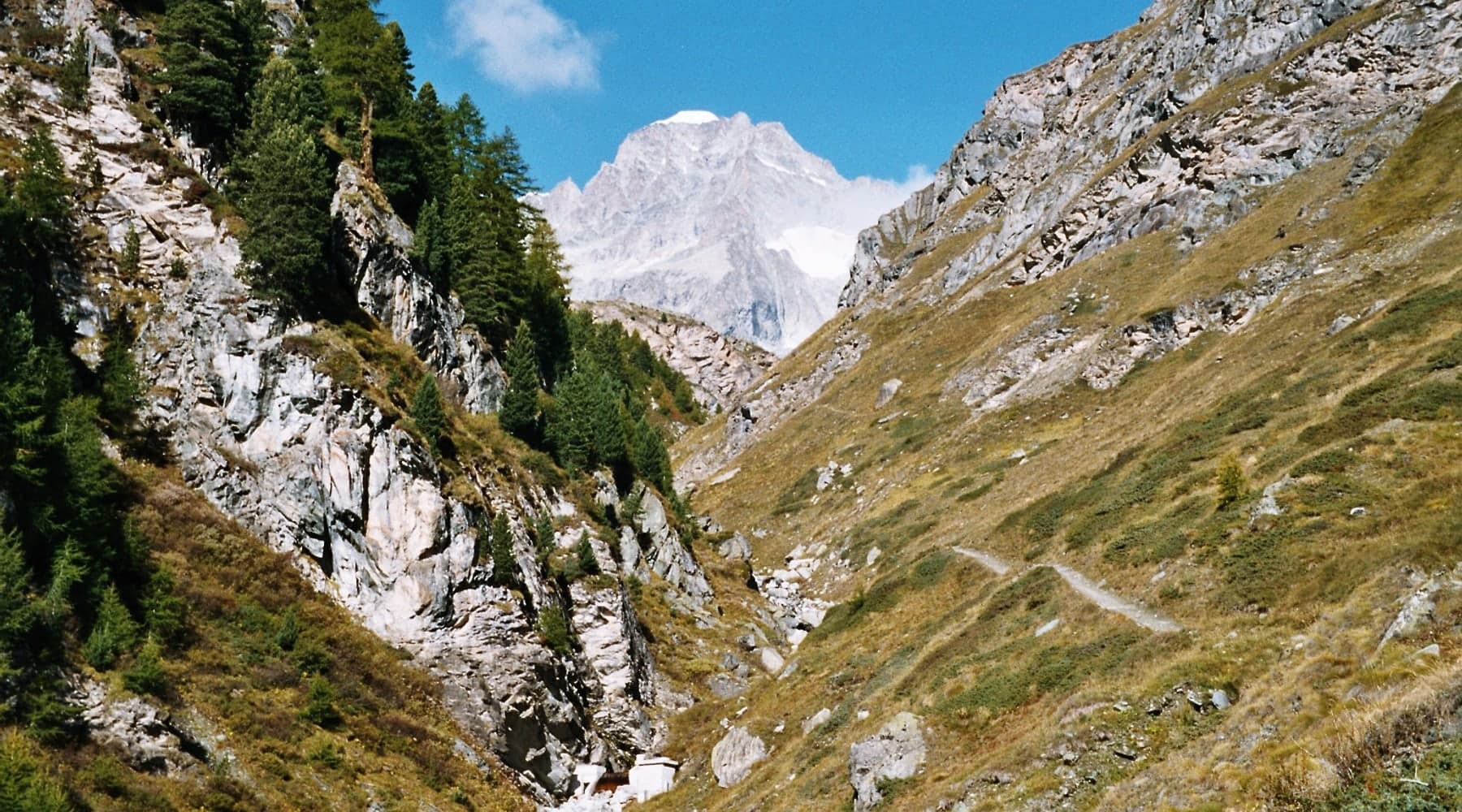
Short, sharp and physically intense. Stages are not extreme in kilometres but technical terrain, rocky descents and chains can significantly slow the pace.
The Corsican classic with sharp ridges, chains and mountain huts. Short on kilometres, big on experience.
GR20 is an iconic Corsica traverse for experienced hikers wanting technical terrain, long days and dramatic mountain scenery. Trailio rates it as an expert trek primarily due to weather, elevation and the need for careful hut planning.
Quick orientation of the route line, start, end and elevation profile.
Elevation data for stage points is indicative, derived from Copernicus DEM GLO-90 after geocoding stage locations via OSM; problematic points are manually verified from map or trail sources. Verify against the specific GPX/map before your trip.
Map data: OpenStreetMap contributors, displayed via Waymarked Trails.
Refugios with half-board are the main item. Book online well in advance — popular huts fill weeks ahead.
The best window is June to September. June may have snow on the higher sections, August is hot and busy, September often offers the best compromise.
Short, sharp and physically intense. Stages are not extreme in kilometres but technical terrain, rocky descents and chains can significantly slow the pace.
Experienced mountain hikers who have already completed a multi-day trek with a pack and are comfortable with exposed sections, refugio sleeping and changeable weather.
12–16 days is a typical pace. A faster itinerary only makes sense with a light pack and confidence on rocky terrain.
The start in Calenzana and end in Conca both require a combination of local transport, taxis or shuttle services. Book overnight accommodation in high season in advance; water and food are not uniformly available every day.
Resupply on the route is limited — basic food and snacks available at selected refugios (Haut Asco, Vizzavona, Bavella) but choice is small and prices high. Vizzavona (approximately mid-route) has train connections to Ajaccio and Bastia — the ideal resupply point. Recommended: carry food for 2–3 days and replenish progressively.
No entry permits required. Nights in PNRC-managed refugios require online booking — no reservation means no guaranteed place. Camping only in designated zones near refugios; wild camping in the national park is prohibited.
The best window is June to September. June may have snow on the higher sections, August is hot and busy, September often offers the best compromise.
Corsica Traverse is rated as Expert. Short, sharp and physically intense. Stages are not extreme in kilometres but technical terrain, rocky descents and chains can significantly slow the pace.
Corsica Traverse usually takes 12–16 days. 12–16 days is a typical pace. A faster itinerary only makes sense with a light pack and confidence on rocky terrain.
No entry permits required. Nights in PNRC-managed refugios require online booking — no reservation means no guaranteed place. Camping only in designated zones near refugios; wild camping in the national park is prohibited.
Resupply on the route is limited — basic food and snacks available at selected refugios (Haut Asco, Vizzavona, Bavella) but choice is small and prices high. Vizzavona (approximately mid-route) has train connections to Ajaccio and Bastia — the ideal resupply point. Recommended: carry food for 2–3 days and replenish progressively.