Character
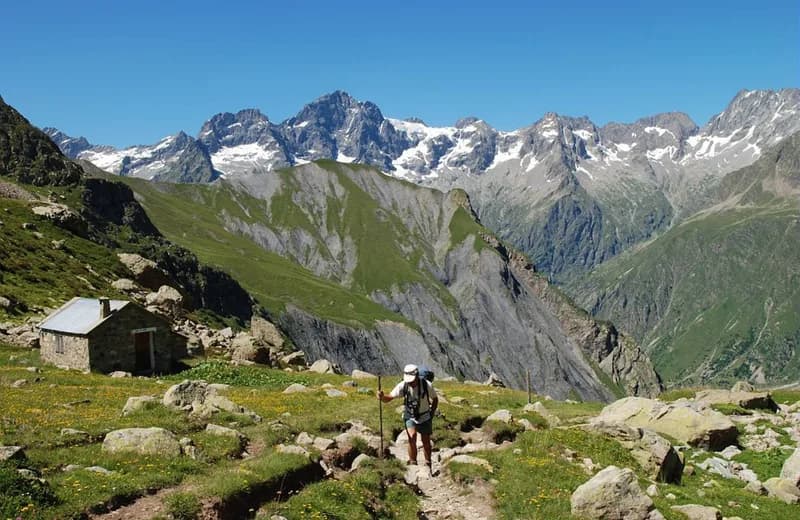
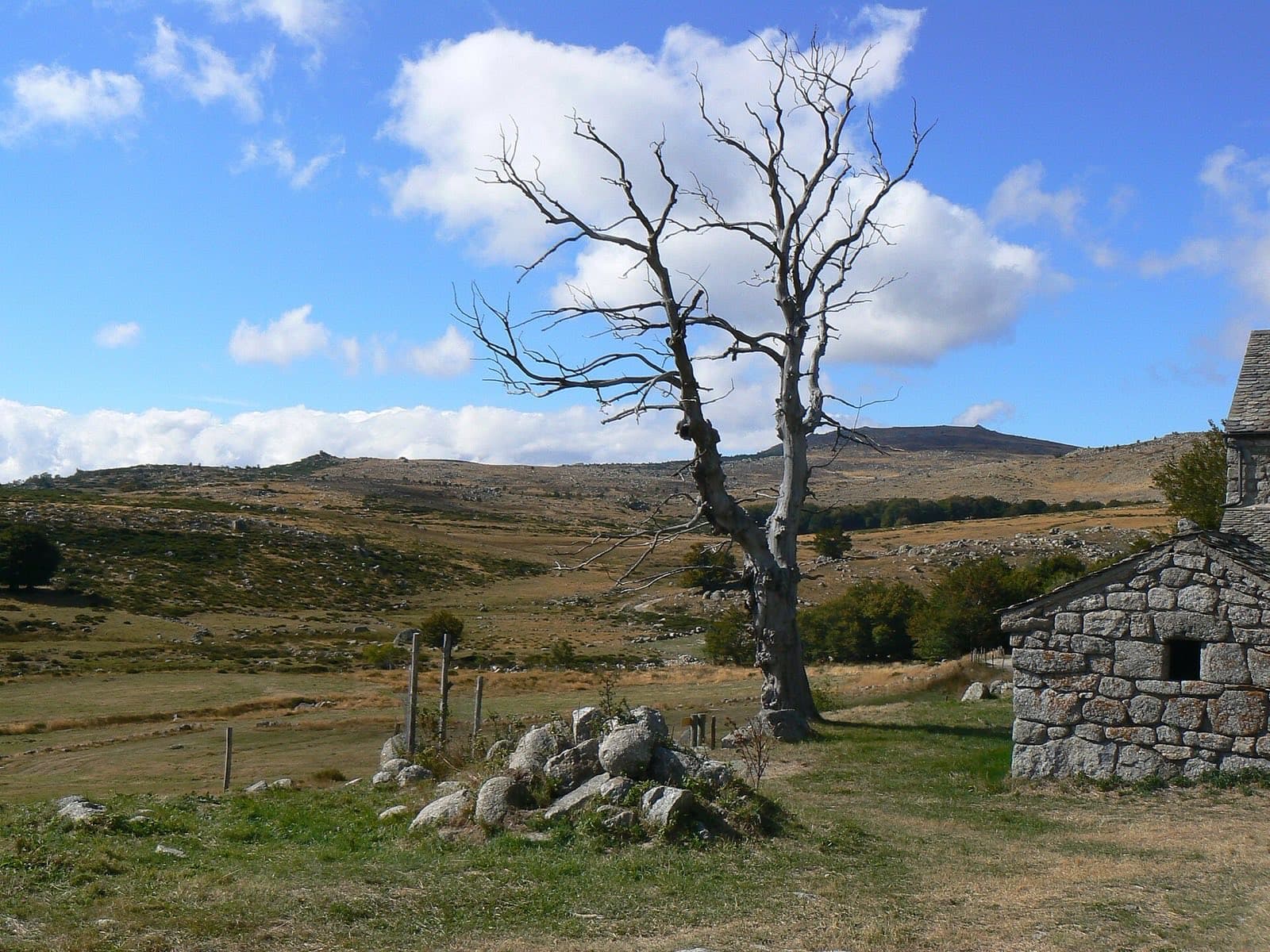
A vast European route that changes dramatically region by region. Not a single homogeneous trek but a patchwork of lowlands, forests, hills, the Jura and the Alps.
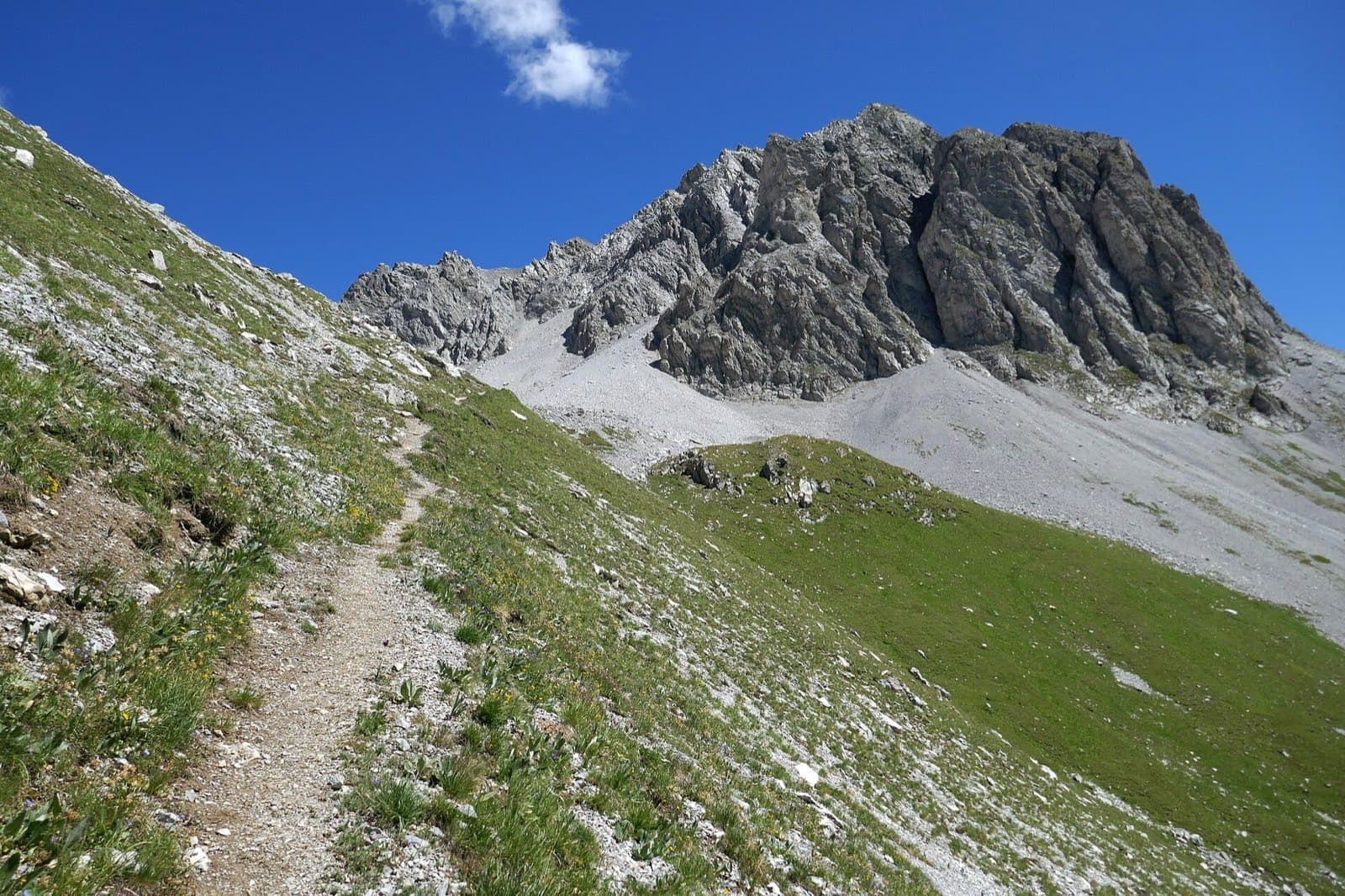
A monumental European line that can be walked as a lifetime thru-hike or through beautiful individual regions.
GR5 is one of Europe's greatest long-distance routes. For Trailio's first version we include it mainly as inspiration for modular planning: independent regions, different seasons and a wide range in stage difficulty.
Quick orientation of the route line, start, end and elevation profile.
Elevation data for stage points is indicative, derived from Copernicus DEM GLO-90 after geocoding stage locations via OSM; problematic points are manually verified from map or trail sources. Verify against the specific GPX/map before your trip.
Map data: OpenStreetMap contributors, displayed via Waymarked Trails.
Budget GR5 by region: Benelux is cheaper logistically, the alpine section is pricier and seasonal.
Low-lying regions have a wider season; alpine sections are best July to September. A full traverse requires careful timing for the high sections.
A vast European route that changes dramatically region by region. Not a single homogeneous trek but a patchwork of lowlands, forests, hills, the Jura and the Alps.
People who want a long-term project or enjoy selecting individual sections by season and fitness.
A full traverse can take 90–130 days. For planning it is more practical to work with regions: Ardennes, Vosges, Jura, Alps.
A strength of GR5 is its many transport connections. The big challenge is consistent planning of accommodation and seasons across several countries.
Resupply is frequent in the north. In the Alps plan refills by valley: Thonon/Saint-Gingolph, around Chamonix, Modane, Briançon and the Mercantour.
No single permit; in the Vanoise, Écrins and Mercantour parks follow bivouac and waymarked trail rules.
Low-lying regions have a wider season; alpine sections are best July to September. A full traverse requires careful timing for the high sections.
North Sea to Mediterranean is rated as Hard. A vast European route that changes dramatically region by region. Not a single homogeneous trek but a patchwork of lowlands, forests, hills, the Jura and the Alps.
North Sea to Mediterranean usually takes 90–130 days. A full traverse can take 90–130 days. For planning it is more practical to work with regions: Ardennes, Vosges, Jura, Alps.
No single permit; in the Vanoise, Écrins and Mercantour parks follow bivouac and waymarked trail rules.
Resupply is frequent in the north. In the Alps plan refills by valley: Thonon/Saint-Gingolph, around Chamonix, Modane, Briançon and the Mercantour.