A Scottish long-distance route from the lowlands into the Highlands with lochs, heather, good infrastructure and a strong atmosphere.
Spojené královstvílakesuplandsheathland
Overview
West Highland Way is an accessible, well-marked and beautiful introduction to the world of British long-distance trekking. The main challenge comes from weather, wind, rain and trail surface.
Distance
154 km
Time
6-8 days
Difficulty
Moderate
Total elevation gain
3,150 m
Route & profile
Quick orientation of the route line, start, end and elevation profile.
Elevation profileHighest 330 m a.s.l. · Tyndrum
Skotsko
154 km · 8 stages · ↑ 3,150 m
Elevation data for stage points is indicative, derived from Copernicus DEM GLO-90 after geocoding stage locations via OSM; problematic points are manually verified from map or trail sources. Verify against the specific GPX/map before your trip.
Map data: OpenStreetMap contributors, displayed via Waymarked Trails.
Planning
Daily average
19 km
Elevation/day
↑ 400 m
Bunkhouses at £25–40/night are the most economical option. B&Bs at £50–80/night. Book Kinlochleven well in advance.
Season
May, June, September
Accommodation
hotel, bunkhouse, campsite
April–October. Best window: late May–June (good light, fewer midges, not yet overcrowded) and September (less insects, autumn colours). July–August: peak season and peak midges. Winter is possible but a shorter day and snow on Rannoch Moor requires experience.
Skotskodobré značeníHighlands
What to expect
Character
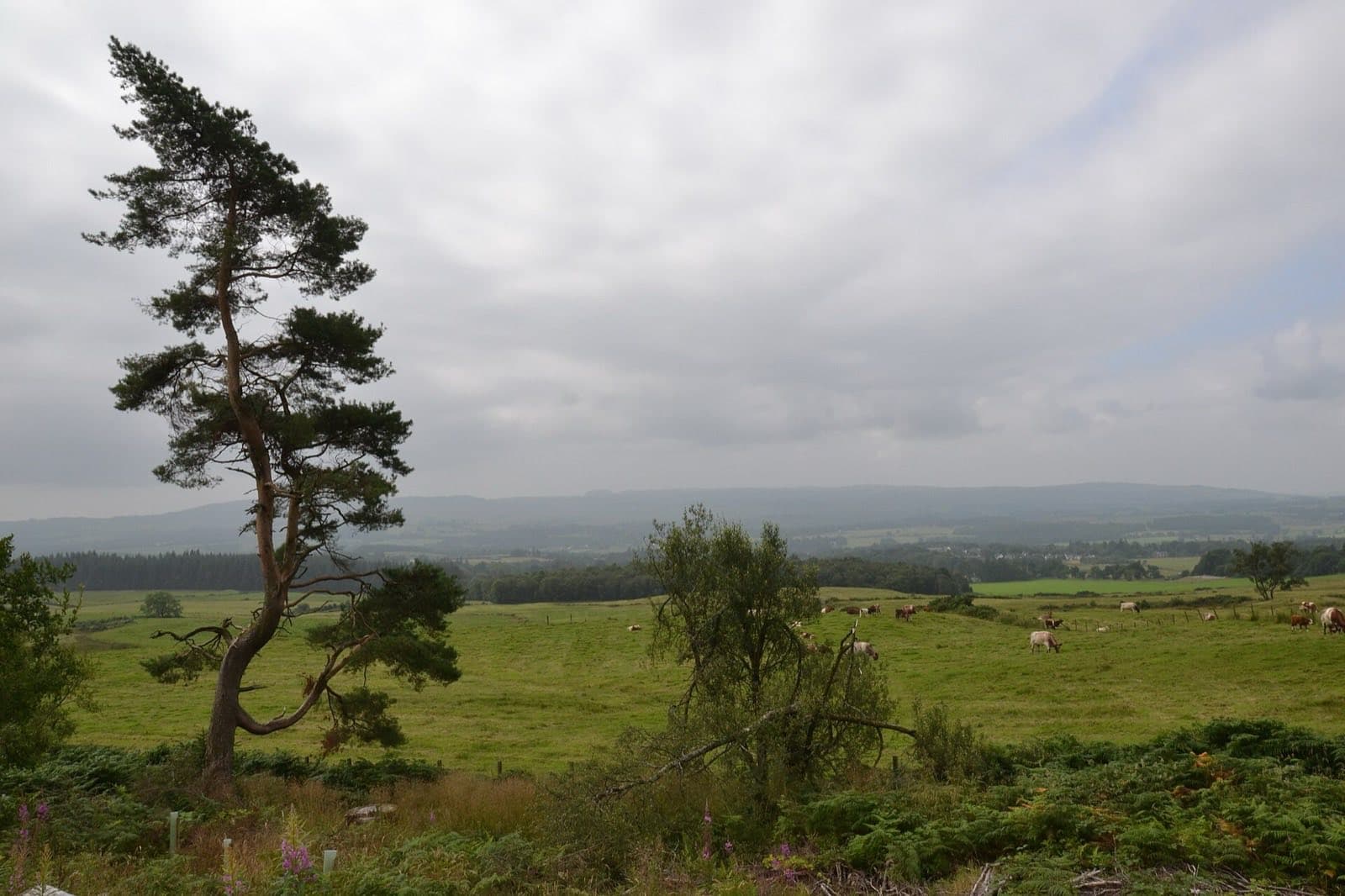
A Scottish long-distance route from the outskirts of Glasgow to Fort William under Ben Nevis. The trek crosses Loch Lomond, Rannoch Moor and Glen Coe — the landscape shifts from gentle forests and lochs to wild open moors and dramatic mountain valleys. Well-waymarked and logistically simple, but Scottish weather and midges are a constant variable.
Who it's for
Hikers looking for their first British long-distance trek or a solid week-long trek with character, good infrastructure and a real landscape story. Suitable for hikers of average fitness.
Suggested pace
6–8 days is a sensible planning frame. A shorter itinerary only makes sense with a lighter pack and confidence in daily pace.
Logistics
Start at Milngavie (train from Glasgow Queen Street, 30 minutes). Finish at Fort William (train back to Glasgow or Edinburgh, Caledonian Sleeper to London). Baggage transfer available through several local operators — your bag moves to the next bunkhouse or hotel on its own. Book accommodation in advance, especially at Crianlarich, Bridge of Orchy and Kinlochleven.
Resupply & permits
Resupply
Small purchases possible in Balmaha, Tyndrum (the excellent Real Food Cafe), Bridge of Orchy and Kinlochleven. Fort William as the end offers full resupply. No critical supply gap on the route — but the Rannoch Moor and Glen Coe stages have no shops.
Permits & regulations
No entry permits required. Scottish law allows camping almost anywhere on open land (Land Reform Act) — but keep away from private land and gardens. Camping at Loch Lomond within the LLTNP section falls under zoning rules; check current park regulations.
Why go
Glen Coe — one of the most dramatic valleys in Britain — directly on the route.
Rannoch Moor: open wild peatland with no road, crossed in full by the trail.
Loch Lomond as a gentle introduction — the path follows the east shore for 30 km.
A strong hiking community and iconic status in Britain; every pub and host knows the WHW.
Ben Nevis as an optional summit at the finish — the highest mountain in the British Isles, right beside Fort William.
Watch out for
Midges (Scottish insects) are extremely unpleasant from June to August — repellent and a head net are a necessity, not a luxury.
Rannoch Moor in fog or rain is disorienting; stick to the waymarking and carry offline maps.
Baggage transfer operators vary in reliability — check reviews, pay by card.
Accommodation in Kinlochleven is limited in capacity — book months in advance in high season.
Sources
Official
OfficialWest Highland Way officialOfficialEN
OfficialScotland's Great Trails WHWOfficialEN
OfficialLoch Lomond WHW routeOfficialEN
Maps & GPX
MapWaymarked Trails searchEN
Frequently asked questions
When is the best time for West Highland Way?
April–October. Best window: late May–June (good light, fewer midges, not yet overcrowded) and September (less insects, autumn colours). July–August: peak season and peak midges. Winter is possible but a shorter day and snow on Rannoch Moor requires experience.
How hard is West Highland Way?
West Highland Way is rated as Moderate. A Scottish long-distance route from the outskirts of Glasgow to Fort William under Ben Nevis. The trek crosses Loch Lomond, Rannoch Moor and Glen Coe — the landscape shifts from gentle forests and lochs to wild open moors and dramatic mountain valleys. Well-waymarked and logistically simple, but Scottish weather and midges are a constant variable.
How many days does West Highland Way take?
West Highland Way usually takes 6–8 days. 6–8 days is a sensible planning frame. A shorter itinerary only makes sense with a lighter pack and confidence in daily pace.
Do I need a permit for West Highland Way?
No entry permits required. Scottish law allows camping almost anywhere on open land (Land Reform Act) — but keep away from private land and gardens. Camping at Loch Lomond within the LLTNP section falls under zoning rules; check current park regulations.
What about resupply on West Highland Way?
Small purchases possible in Balmaha, Tyndrum (the excellent Real Food Cafe), Bridge of Orchy and Kinlochleven. Fort William as the end offers full resupply. No critical supply gap on the route — but the Rannoch Moor and Glen Coe stages have no shops.