Character
An unmarked high-mountain route across the highest sections of the Pyrenees. Physically the most demanding Pyrenean traverse.
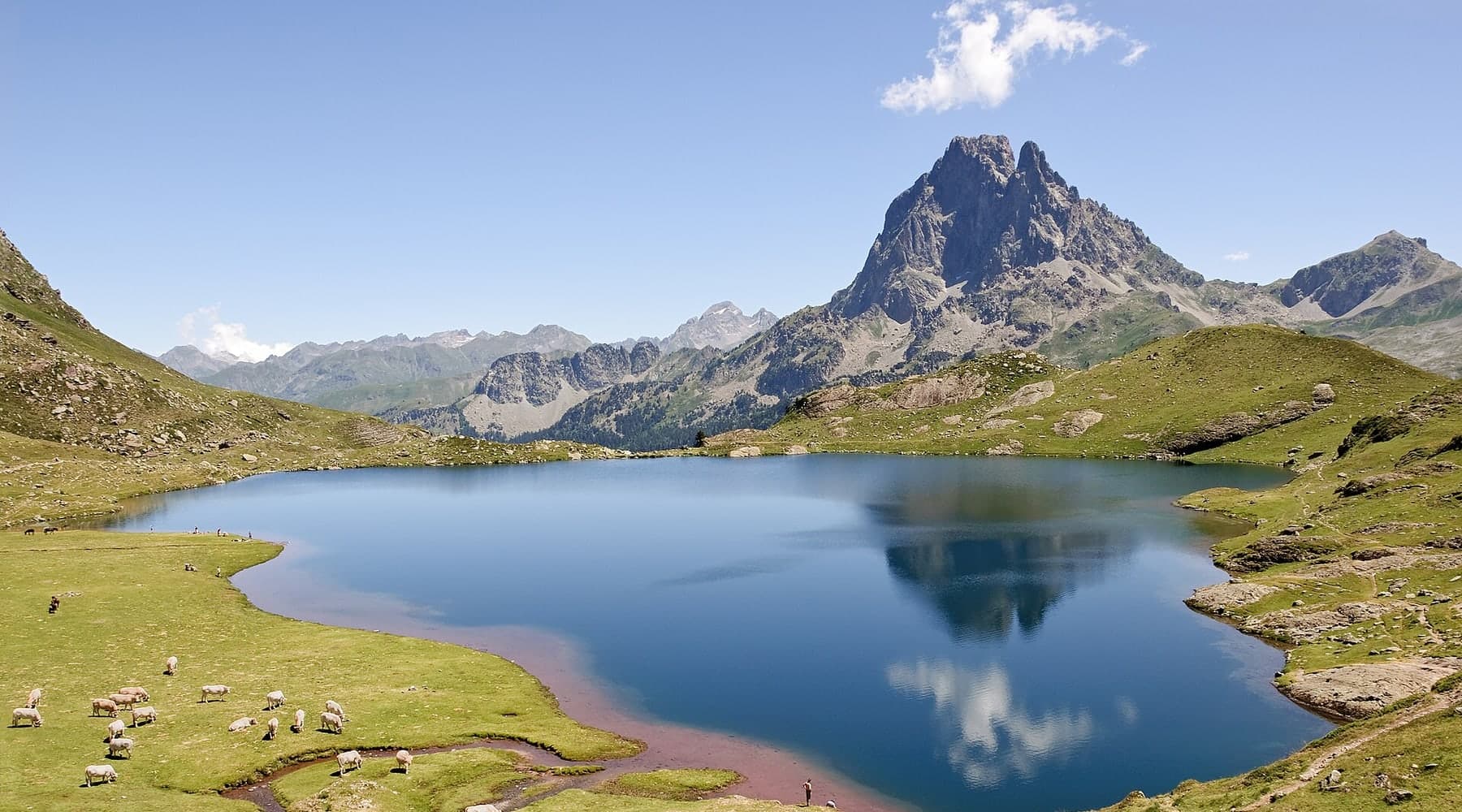
An unmarked mountain line across the highest Pyrenean passes — a stricter and wilder alternative to GR10 and GR11.
HRP has no official waymarking but is an established route described in Kev Reynolds' guidebook. It follows exclusively the high ridges. It requires navigation experience, snow gear in July and resilience to rapid weather changes.
Quick orientation of the route line, start, end and elevation profile.
Map data: OpenStreetMap contributors, displayed via Waymarked Trails.
A mix of refuge (€15–25/night) and wild camping.
The route is only passable July–September. Snow may be present on passes above 2,800 m in July. The most stable weather is in August.
An unmarked high-mountain route across the highest sections of the Pyrenees. Physically the most demanding Pyrenean traverse.
Very experienced alpinists and mountain hikers with navigation skills and experience moving on snow.
Stages of 15–20 km with big elevation gain (800–1,500 m per day). Total 40–55 days.
Train or bus to Hendaye. Finish at Banyuls-sur-Mer — train to Barcelona or Perpignan. Refuges must be booked in advance.
International refuges every 15–25 km. Carry 1–2 days of food in remote sections.
No permits. Strict nature protection applies in the national parks.
The route is only passable July–September. Snow may be present on passes above 2,800 m in July. The most stable weather is in August.
Haute Route Pyrénéenne is rated as Expert. An unmarked high-mountain route across the highest sections of the Pyrenees. Physically the most demanding Pyrenean traverse.
Haute Route Pyrénéenne usually takes 40–55 days. Stages of 15–20 km with big elevation gain (800–1,500 m per day). Total 40–55 days.
No permits. Strict nature protection applies in the national parks.
International refuges every 15–25 km. Carry 1–2 days of food in remote sections.